
Facility Details
View an overview of the medical facility, affiliated physicians, and available programs in one place.
- Kinki / Osaka
- medical treatment
- regenerative medicine
- stem cell therapy
- diabetes
- arthritis(joint pain)
- chronic pain
CELL GRAND CLINIC
A regenerative medicine clinic in Shinsaibashi, Osaka, led by a physician certified as a specialist by a U.S. regenerative medicine society.
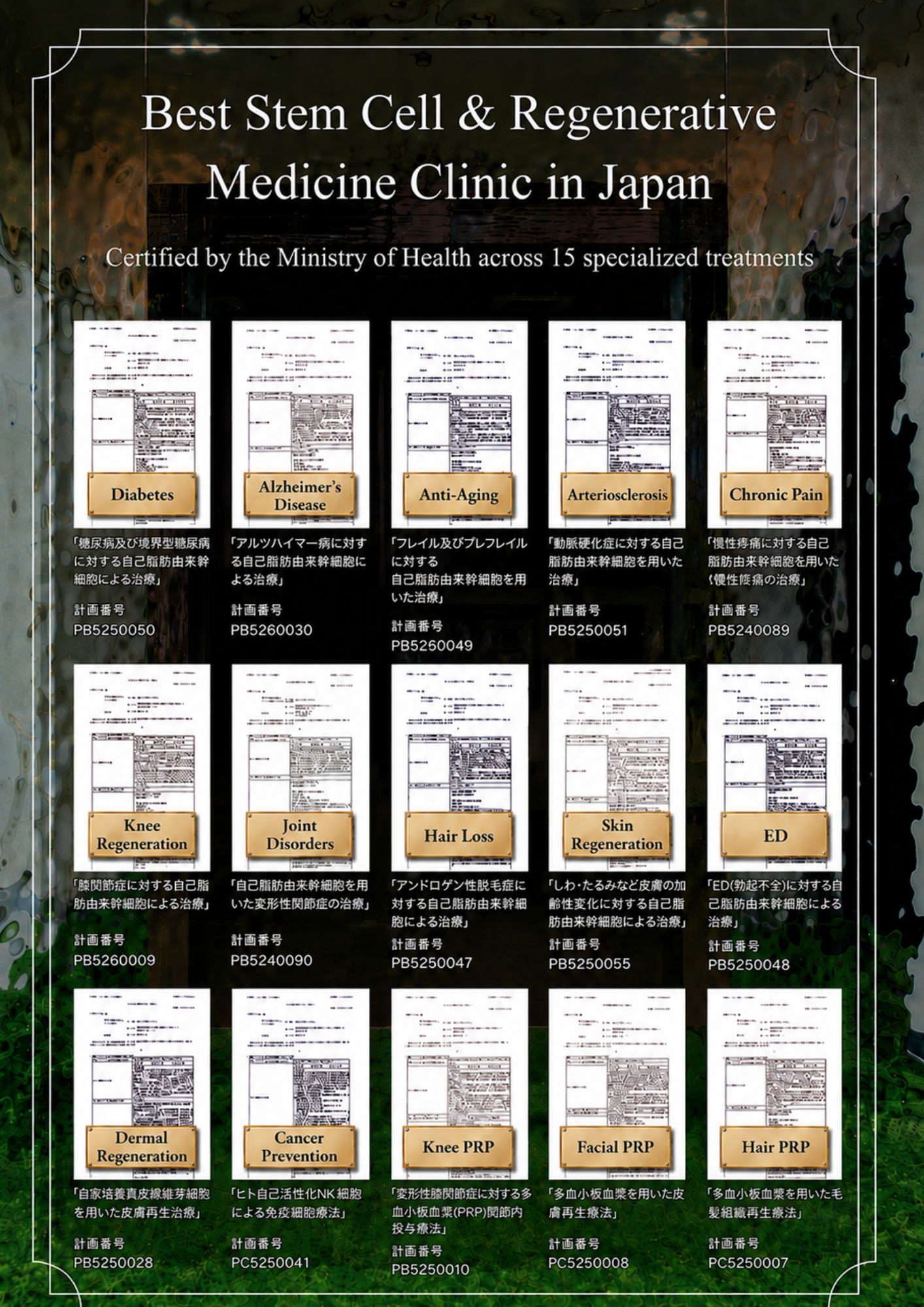
Fifteen regenerative medicine plans have been submitted to the Ministry of Health, Labour and Welfare, with more than 3,000 cases involving autologous adipose-derived stem cells.
High-quality stem cells with a cell viability rate of 95% or higher and a low passage number (passage 3) are used for conditions including knee disorders, diabetes, dementia, and aging.
CELL GRAND CLINIC (Osaka Regenerative Medicine Clinic) is a clinic specializing in regenerative medicine, located along Midosuji Avenue in Shinsaibashi, Osaka.
The clinic has 15 Plans for Provision of Regenerative Medicine that have been submitted to and accepted by the Ministry of Health, Labour and Welfare (12 Class II and 3 Class III), placing it among the highest levels in Japan.
The clinic provides care for knee joint disorders, diabetes, atherosclerosis, chronic pain, frailty, Alzheimer’s disease, androgenetic alopecia (AGA), erectile dysfunction (ED), and age-related changes in the skin.
Medical Director Yuichi Wakabayashi, MD, PhD, is an ABRM-certified specialist who previously served as a researcher at the U.S. National Institutes of Health (NIH). He has experience with more than 3,000 cases of autologous adipose-derived stem cell therapy involving patients from approximately 20 countries, as well as seven peer-reviewed publications in English.
He personally manages the entire process, from assessment of treatment eligibility through adipose tissue collection and administration to follow-up at 1, 3, and 6 months. Medical consultations in English are conducted directly without an interpreter.
Stem cells are not prepared and stored in advance; they are cultured for each treatment according to the scheduled date of administration and are managed according to numerical quality standards of a cell viability rate of at least 95%, a purity of 99%, and no more than the third passage.
A Quality Standards Certificate is issued for each individual sample, and the clinic is characterized by transparency, including disclosure of the number of cells administered, up to a maximum of 200 million cells.
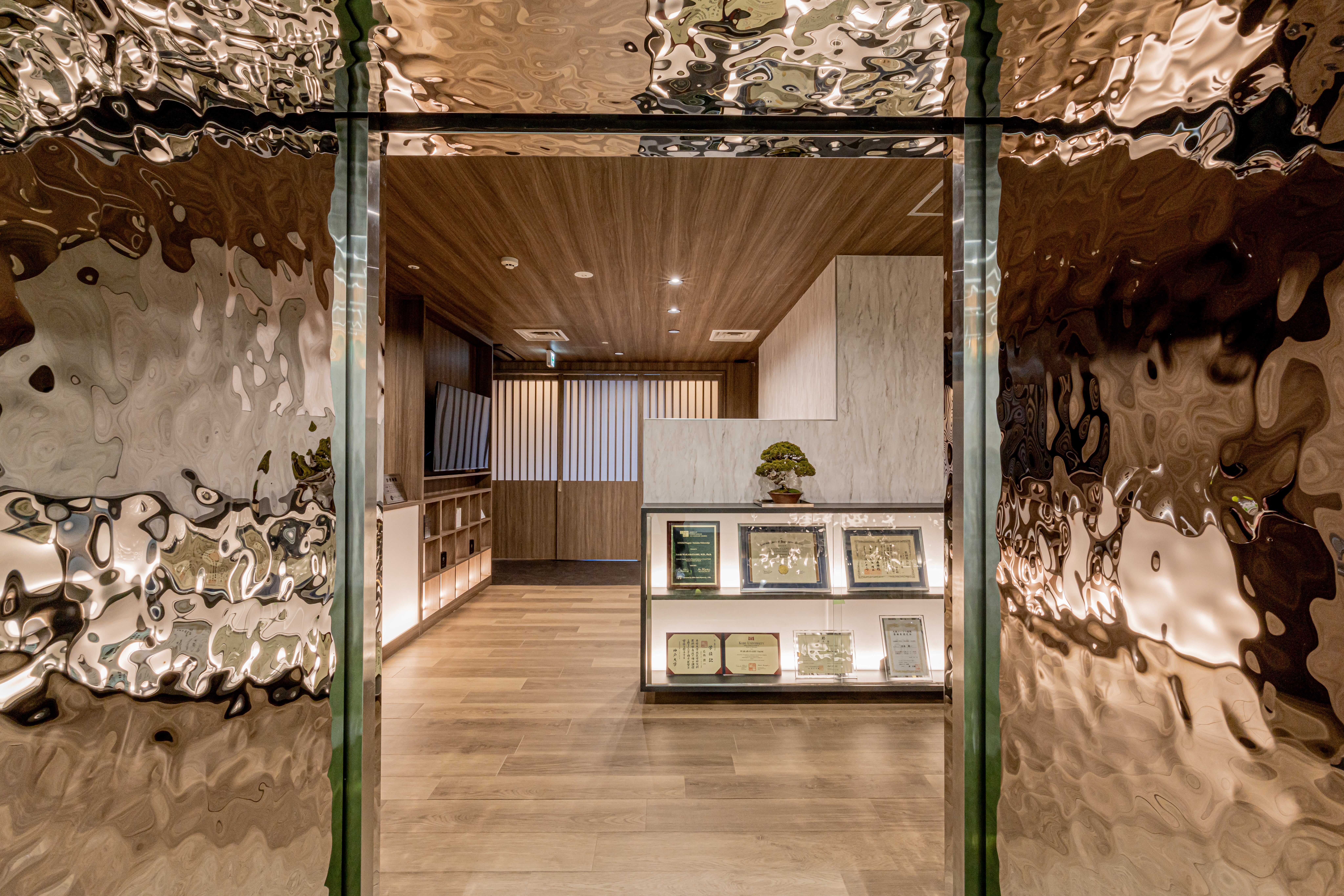
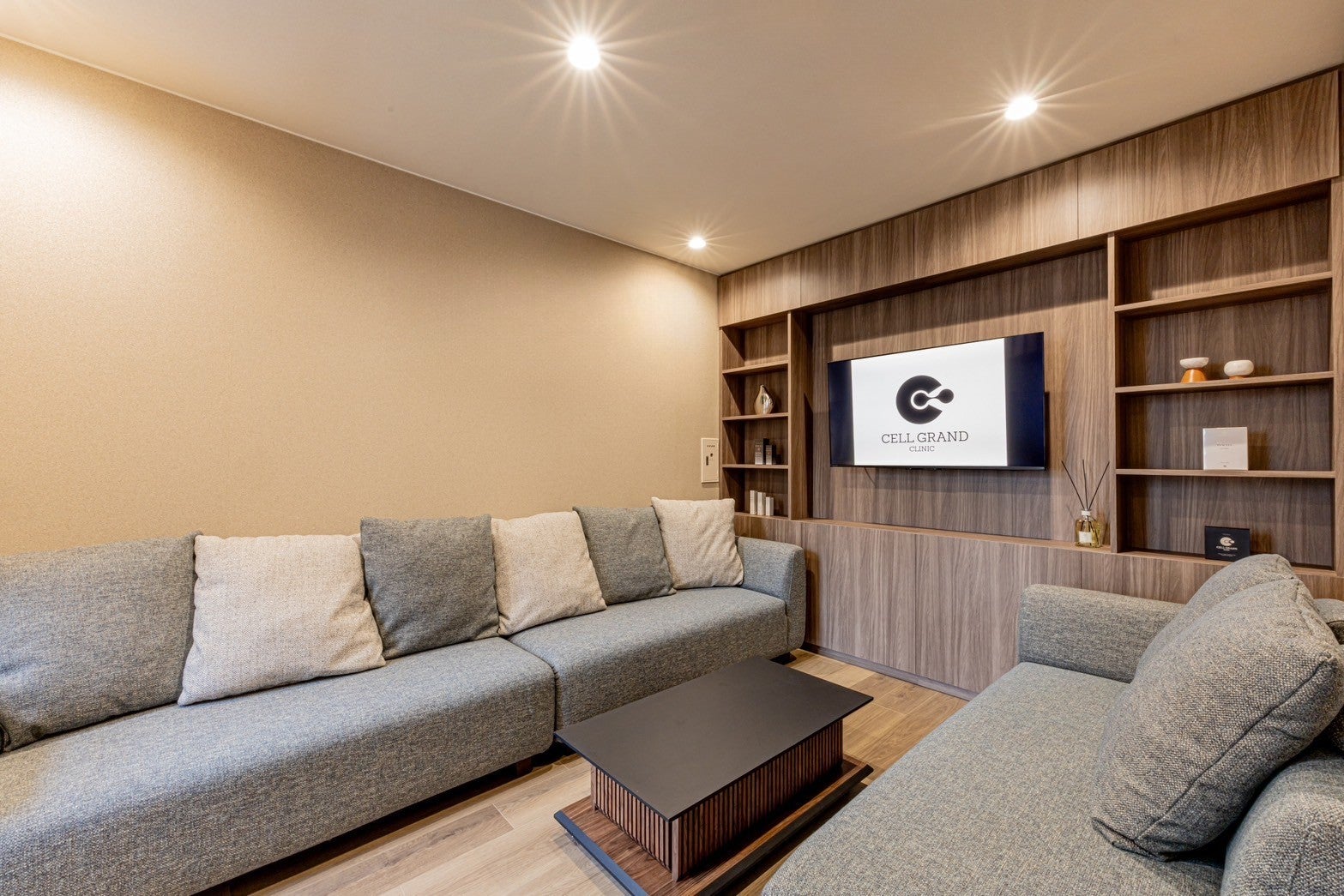
The clinic operates on an appointment-only basis and provides fully private rooms in a modern Japanese-style setting. It also has an infusion room that can accommodate up to four people together in the same room.
Selected as a “Top Regenerative Medicine Solution in APAC 2026” by Healthcare Business Review APAC and a full member of Medical Excellence JAPAN.
- Location
- 〒542-0086
2-3-2 Nishishinsaibashi, Chuo-ku, Osaka City, Midosuji Minami Building 4F Osaka
- Website
- https://cellgrandclinic.com/en/
- Specialty
- <Stem Cell and Cell Therapies (Plans for Provision of Regenerative Medicine accepted by the Ministry of Health, Labour and Welfare)>
・Autologous adipose-derived stem cell (ADSC) therapy: intravenous infusion (systemic administration) / intra-articular or local administration ※Up to 200 million cells per treatment
・Knee osteoarthritis, knee joint disorders, and meniscal injuries (PB5260009 / PB5240090)
・Diabetes mellitus and borderline diabetes (type 1 and type 2) (PB5250050) / atherosclerosis (PB5250051)
・Frailty and pre-frailty (PB5250049) / chronic pain (PB5240089)
・Alzheimer’s disease and dementia (PB5260030)
・Androgenetic alopecia (AGA) (PB5250047) / erectile dysfunction (ED) (PB5250048) / age-related skin changes such as wrinkles and sagging (PB5250055)
・Skin regenerative therapy using autologous cultured dermal fibroblasts (PB5250028)
・Immune cell therapy using human autologous activated NK cells (PC5250041) = cancer prevention and enhancement of immune function
・Platelet-rich plasma (PRP) therapy: knee (PB5250010) / face (PC5250008) / hair (PC5250007)
<Cell-Derived and Preventive Healthcare Menu>
・Stem cell culture supernatant (exosome) therapy: intravenous infusion / intranasal administration / subcutaneous administration / scalp administration / penile administration / intra-articular administration to the knee ※Choice of three sources: adipose tissue, dental pulp from deciduous teeth, or umbilical cord blood
・NMN intravenous infusion and supplements; medical weight management (GLP-1 / GIP receptor agonists)
・EpiClock Test (biological age test measured using genetic information), Theoria Test (ultra-early cancer risk test: pancreatic cancer and gastrointestinal cancers)
- Other Certifications
- ・A total of 15 Plans for Provision of Regenerative Medicine have been accepted by the Ministry of Health, Labour and Welfare (12 Class II and 3 Class III / accepted between 2024 and 2026). Examples: Diabetes mellitus PB5250050, knee joint disorders PB5260009, Alzheimer’s disease PB5260030, chronic pain PB5240089, NK cell immunotherapy PC5250041, and others ※Published in the Ministry of Health, Labour and Welfare Database of Institutions Providing Regenerative Medicine ・Medical Director’s qualifications: ABRM-certified specialist / Completion of Stem Cell Medicine, Harvard Medical School and ISSCR (CME) / Board-certified specialist of the Japanese Society of Anti-Aging Medicine / Board-certified diagnostic radiologist / Board-certified nuclear medicine physician ・Selected as a “Top Regenerative Medicine Solution in APAC 2026” by Healthcare Business Review APAC (May 2026) ・Selected as a “Next Era Leader” by The Wall Street Journal (2025)
- Departments registered on this site
-
- Internal medicine
- Orthopedic Surgery
- Cardiology / Neurology / Urology / Diabetes Medicine / Dermatology / Aesthetic Medicine / Regenerative Medicine
- Facility details
- 《Location》
The clinic occupies the 4th floor of a prominent commercial building along Midosuji Avenue in Shinsaibashi, in the heart of Osaka. It is a 5-minute walk from Exit 7 of Shinsaibashi Station and a 5-minute walk from Exit 25 of Namba Station on the Osaka Metro Midosuji Line.
Shinsaibashi-suji Shopping Street, Dotonbori, the luxury-brand shopping district, and major hotels in Namba and Shinsaibashi are all within walking distance. From Kansai International Airport, Namba Station can be reached in as little as approximately 35 minutes via the Nankai Rapi limited express. Treatment can be conveniently incorporated into the same itinerary as sightseeing and stays in Osaka, Kyoto, Nara, and Kobe, and major attractions such as Universal Studios Japan (USJ) and Osaka Castle are within approximately 30 minutes.
《Equipment》
・Affiliated CPC (Cell Processing Center; facility for the manufacture of specified processed cells): Class 10,000 anteroom / Class 1,000 cell processing room / Class 100 inside the biological clean bench (U.S. Federal Standard Fed. Std. 209D; target particle size: 0.5 μm). HEPA filters are installed in the ceiling and remove 99.99% or more of particles measuring 0.3 μm, with clean air continuously circulated 24 hours a day, 365 days a year.
・Cell quality testing equipment: measurement of positivity rates for cell surface markers (CD73 / CD90 / CD105), cell viability testing, sterility testing, endotoxin testing, and mycoplasma testing (a Quality Standards Certificate is issued for each individual sample)
・Quantitative measurement of exosome content using the ELISA method (intravenous infusion: up to 300 billion exosomes / intranasal administration: 150 billion exosomes)
・PRP preparation system (the entire process, from blood collection and preparation to same-day administration, is completed within the clinic)
・HYCOOX mesotherapy injection device (for skin rejuvenation and scalp treatment)
《Facilities》
The clinic operates strictly by appointment and provides fully private rooms. The calm interior features a modern Japanese design with wood-grain elements, and the clinic is designed to ensure privacy so that patients do not encounter other patients from counseling through procedures and intravenous infusions.
・Consultation room / treatment room: Equipped with advanced medical equipment, with examinations and procedures performed directly by the physician
・Infusion room: A spacious private setting that can accommodate up to four people in the same room, allowing patients to spend time together with their spouse, family members, friends, or accompanying persons (the room may also be used for business meetings, etc.)
・Barrier-free access: Elevators are available in the building, and wheelchair access is supported
《Other Information》
【Multilingual and International Patient Support】
・English- and Chinese-speaking staff are available on-site. The Medical Director has experience living in the United States as a researcher at the U.S. National Institutes of Health (NIH) and personally provides counseling and medical consultations in English.
・The official website is available in four languages: Japanese, English, Chinese, and Indonesian. Preliminary consultations and appointment requests are available via LINE / WhatsApp / WeChat.
・Online medical consultations are available, enabling remote coordination from pre-travel counseling through follow-up after patients return to their home countries.
・Accepted credit cards: Visa / Mastercard / JCB / American Express / Diners Club / UnionPay.
【Clinical Evidence and Third-Party Recognition】
・The Medical Director is the first author of numerous peer-reviewed English-language publications, including articles in the Journal of Nuclear Medicine, ACS Chemical Neuroscience, Neurological Sciences, and other journals. In 2026, as first author, he reported a case in Cureus involving intra-articular administration of autologous cultured adipose-derived stem cells for Kellgren-Lawrence (KL) Grade 3 knee osteoarthritis, in which the pain VAS improved from 8 to 0 and the JOA score improved from 55 to 95 over one year.
・His book ranked No. 1 in seven medical-related categories on Amazon. The clinic has also been featured on KBS Kyoto Television and was selected as a “Next Era Leader” by The Wall Street Journal (2025) and a “Top Regenerative Medicine Solution in APAC 2026” by Healthcare Business Review APAC.
【Advantages for Patients】
・Stem cell therapy, stem cell culture supernatant (exosome) therapy, and PRP therapy are all available at a single clinic, allowing an appropriate combination to be designed according to the patient’s symptoms and length of stay.
・Exosome therapy, PRP therapy, NMN therapy, and specialized blood tests, which do not require a cell-culture waiting period, can be completed on the day of arrival in Japan. The clinic can therefore accommodate international patients visiting Japan for short stays.
- Treatment methods and procedures registered on this site
- Regenerative Medicine (autologous adipose-derived stem cell therapy, stem cell culture supernatant / exosome therapy, platelet-rich plasma [PRP] therapy, fibroblast transplantation, and NK cell immunotherapy); Anti-Aging Medicine / Preventive Medicine (NMN, biological age testing, and ultra-early cancer risk testing)
Available Programs
-
Autologous Adipose-Derived Stem Cell (ADSC) Therapy - Intravenous and Local Administration for Knee Osteoarthritis, Diabetes, Arteriosclerosis, Frailty, Alzheimer's Disease, Chronic Pain, Facial Skin Aging, Androgenetic Alopecia (AGA) and Erectile Dysfunction (ED)【CELL GRAND CLINIC】
Autologous adipose-derived stem cell therapy provided under a plan accepted by the Ministry of Health, Labour and Welfare. High-quality stem cells with a viability rate of 95% or higher, a low passage number (third passage), and 99% purity are administered by intravenous infusion and local administration.
The therapy is provided for conditions ranging from knee joint disorders, diabetes mellitus, atherosclerosis, and dementia to facial wrinkles and sagging, AGA, and ED.This regenerative medicine treatment involves isolating and culturing mesenchymal stem cells (ADSCs) from approximately 5 g of adipose tissue (about the size of two grains of rice) collected from the patient’s own abdomen, and using intravenous infusion (systemic administration) or local administration according to the intended purpose. The treatment is provided under Class II Plans for Provision of Regenerative Medicine that have been submitted to and accepted by the Ministry of Health, Labour and Welfare (knee joint disorders PB5260009 / osteoarthritis PB5240090 / diabetes mellitus PB5250050 / atherosclerosis PB5250051 / frailty PB5250049 / Alzheimer’s disease PB5260030 / chronic pain PB5240089 / age-related skin changes such as wrinkles and sagging PB5250055 / androgenetic alopecia [AGA] PB5250047 / erectile dysfunction [ED] PB5250048). Because direct injection into internal organs is not possible, stem cells are delivered throughout the body by intravenous infusion. For knee joint disorders, they are administered intra-articularly, while for facial wrinkles and sagging, AGA, and ED, they are administered directly to the affected area. This makes it possible to address multiple concerns from a single adipose tissue collection. Stem cells are “living cells,” and the quality of their culture and management can affect treatment outcomes. At our clinic, stem cells are not prepared and stored in advance. They are cultured individually according to the scheduled date of administration. For each sample, a Quality Standards Certificate discloses our criteria, including a cell viability rate of at least 95% at the time of administration, high purity with 99% positivity for CD73, CD90, and CD105, and the use of highly active cells up to the third passage. With safety as the highest priority, the maximum number administered per intravenous infusion is limited to 200 million cells (the actual administered cell count is guaranteed without inflation). Treatment is overseen by Medical Director Yuichi Wakabayashi, MD, PhD, a specialist certified by the American Board of Regenerative Medicine (ABRM), former NIH researcher, and lecturer at Kindai University Faculty of Medicine, with experience in more than 3,000 cases of autologous adipose-derived stem cell therapy involving patients from approximately 20 countries. He provides counseling directly in English and consistently oversees the entire process, from online consultation before travel to adipose tissue collection, cell culture, administration, and follow-up after the patient returns home. As a “third option” that does not rely on medication or surgery, we offer treatment aimed at extending healthy life expectancy.
View Details -
Regenerative Medicine for Knee Osteoarthritis and Meniscal Injuries (Intra-articular Injection of Autologous Adipose-Derived Stem Cells / PRP / Stem Cell Culture Supernatant)【CELL GRAND CLINIC】
For knee osteoarthritis, 100 million autologous adipose-derived stem cells are administered by intra-articular injection. Another treatment option to consider before knee replacement surgery.
This regenerative medicine treatment is provided under a duly notified treatment plan, and in 2026, the Clinic Director published a case report on this treatment in an international academic journal.This is a “non-surgical” regenerative medicine treatment for knee osteoarthritis and meniscal injuries, aimed at reducing pain and promoting tissue repair while seeking to avoid joint replacement surgery. Autologous adipose-derived stem cells, cultured from the patient’s own abdominal adipose tissue, are administered directly into the knee joint (Class II Regenerative Medicine Provision Plans: Knee Joint Disorders, PB5260009 / Osteoarthritis, PB5240090), with the goal of reducing inflammation and exploring the potential for cartilage regeneration. A key feature of our approach is that we provide three treatment options at a single clinic: stem cell therapy, stem cell culture supernatant therapy (exosomes), and platelet-rich plasma (PRP) therapy. Based on X-ray and MRI findings together with the clinical examination, an individualized treatment plan can be designed using the most appropriate option or combination of treatments. To help manage pain while waiting for stem cell culture, exosome therapy and PRP therapy, which do not require cell harvesting and can be administered on the same day, may be combined with stem cell treatment. This allows treatment to proceed even for international patients with a limited stay in Japan. (Knee PRP: Provision Plan No. PB5250010) Treatment is supervised by Yuichi Wakabayashi, MD, PhD, Medical Director of the clinic, who holds certification from the American Board of Regenerative Medicine (ABRM) and has experience with more than 3,000 cases of autologous adipose-derived stem cell therapy. In 2026, Dr. Wakabayashi served as the lead author of a case report published in Cureus describing intra-articular administration of autologous cultured adipose-derived stem cells (ADSCs) in a patient with Kellgren-Lawrence (KL) Grade 3 knee osteoarthritis. Over a one-year follow-up period, the patient’s pain VAS score improved from 8 to 0, and the JOA score improved from 55 to 95. As a specialist in diagnostic radiology, Dr. Wakabayashi personally reviews the patient’s imaging studies and proposes a treatment strategy according to the severity and progression of the condition.
View Details -
One-Day Stem Cell Culture Supernatant (Exosome) Therapy & Aging Care Program【CELL GRAND CLINIC】
No tissue collection and no waiting period for cell culture — treatment can be completed on the day of your visit to Japan.
Stem cell culture supernatant containing approximately 300 billion exosomes, derived from Japanese donors and produced under serum-free culture conditions, is administered by intravenous infusion, intranasal administration, or intradermal skin-booster injection.
Aging care can be completed within a one-day stay.This regenerative medicine program requires no adipose tissue harvesting and no waiting period for cell culture, allowing treatment to be received on the same day as your visit to Japan. Stem cell culture supernatant (exosomes) derived from young stem cells can be administered according to the treatment purpose via intravenous infusion, intranasal administration, subcutaneous injection, scalp injection, penile injection, intra-articular injection into the knee, or intradermal skin-booster injection (HYCOOX). Three types of culture supernatant are available—adipose-derived, deciduous dental pulp-derived, and umbilical cord (Wharton’s jelly)-derived—with no additional charge. A mixture of all three types is also available. All donors are Japanese, and the cells are cultured in serum-free medium containing neither bovine nor human serum. Only cells from donors who meet screening requirements for HIV, HBV, HCV, HTLV, Mycoplasma, bacterial contamination, and fungal contamination are used. The program is available for a broad range of purposes, including aging care, chronic fatigue and chronic pain, mental fatigue and sleep quality, skin quality including firmness and radiance, androgenetic alopecia (AGA), erectile dysfunction (ED), and knee pain. Treatment may also be combined on the same day with PRP therapy, NMN intravenous infusion, fibroblast transplantation, NK cell immunotherapy, the EpiClock Test (a genetic test that assesses biological age), and the Theoria Test (a test for very early cancer risk, including pancreatic and gastrointestinal cancers). The Medical Director, who is certified by the American Board of Regenerative Medicine (ABRM), develops an individualized treatment plan according to each patient’s length of stay and treatment goals.
View Details