


Facility Details
View an overview of the medical facility, affiliated physicians, and available programs in one place.
- Kinki / Osaka
- medical treatment
- immunotherapy
- cancer
Nakamura Gastroenterology Clinic


This clinic specializes in cancer immunotherapy.
We provide personalized immunotherapy tailored to each patient, including those at any stage of cancer, those who have been told that there are no further treatment options, or those who find chemotherapy difficult to tolerate.
・We provide treatment for cancer patients at all stages. Regardless of the type of cancer or the challenges faced, we never give up on our patients and strive to offer the best possible care. Our goal is to provide gentle cancer treatment with minimal physical burden.
・For some patients, genetic analysis can be performed.
Based on the profiling of your cancer, we will provide immunotherapy that is tailored specifically to you.
Cancer immunotherapy using immune cells involves utilizing the patient’s own blood for treatment.
Process:
Blood collection → Activation and expansion of immune cells → Transmission of cancer-specific information (tumor markers) → Injection (targeting and destroying cancer cells)
Because the patient’s own blood is used, this treatment has minimal side effects and is considered a gentle approach to cancer therapy.
At our clinic, we offer the following six types of treatment, selected based on each patient’s condition and cancer characteristics:
Dendritic Cell Therapy
A powerful immunotherapy that activates killer T cells to attack cancer cells
Neoantigen Dendritic Cell Therapy
A personalized treatment that synthesizes patient-specific cancer markers (neoantigens) to target individual tumors
RIKEN-NKT Cell Therapy
An immunotherapy developed by RIKEN, effective against various types of cancer regardless of stage
NK Cell Therapy
A treatment that uses natural killer (NK) cells, a type of lymphocyte, to attack cancer cells
αβ T Cell Therapy
Enhances anti-cancer effects by suppressing regulatory T cells and boosting the immune response against cancer
Immune Checkpoint Inhibitor Therapy
Strengthens the patient’s natural immune response (T cell activity) to attack cancer cells
- Location
- 〒561-0832
2-22-8 Shonai Nishi-machi, Toyonaka City Osaka
- Website
- https://nakamura-icho.com/
- Specialty
- Medical Oncology
Gastroenterology
Endoscopy (or Endoscopic Medicine)
- Facility details
- Location
In front of Shonai Station (Hankyu Railway)
Osaka Airport: 15 minutes by taxi / 30 minutes by monorail + train
JR Shin-Osaka Station: 15 minutes by taxi / 30 minutes by subway + train
Available Medical Equipment
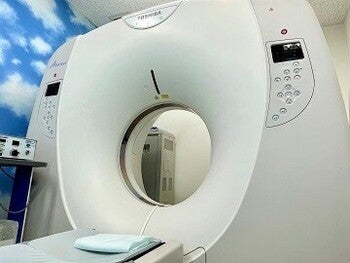
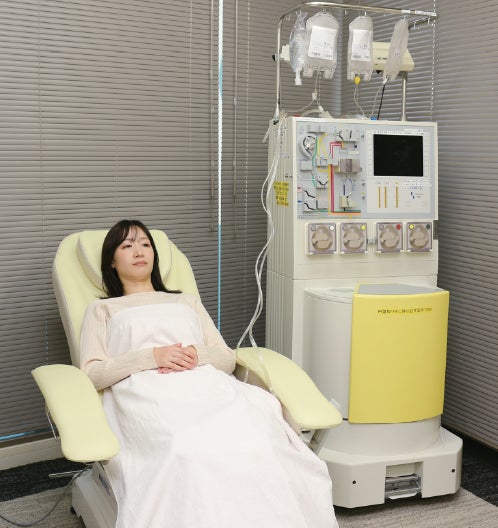
Apheresis machine, X-ray equipment, electrocardiogram (ECG), ultrasound equipment, upper and lower gastrointestinal endoscopy systems
Others
Dr. Motoyuki Nakamura, Director of the clinic, is a specialist in cancer research who has personally conducted gene therapy and cancer immunotherapy at Harvard University (Dana-Farber Cancer Institute), Jikei University School of Medicine, and Kyoto University for many years.
The clinic maintains strong collaborative relationships with major hospitals, including Osaka University Hospital, Osaka Medical and Pharmaceutical University Hospital, and Saiseikai Nakatsu Hospital.
Available Programs
-
Dendritic Cell Therapy [Nakamura Gastroenterology Clinic]
Dendritic cells, which act as the command center of the body’s immune system, recognize cancer antigens (markers of cancer) and transmit this information to T cells, which serve as the attacking force.
Based on this mechanism, dendritic cells are cultured outside the body and then injected into the patient. These cells convey cancer antigen information to T cells within the body, enabling them to specifically and effectively attack cancer cells.Dendritic cells, which act as the command center of the body’s immune system, recognize cancer antigens (markers of cancer) and transmit this information to T cells, which serve as the attacking force. Based on this mechanism, dendritic cells are cultured outside the body and then injected into the patient. These cells convey cancer antigen information to T cells within the body, enabling them to specifically and effectively attack cancer cells. Treatment Process: 1.Confirmation of HLA Expression in Cancer Cells Cancer tissue (e.g., surgical specimens) is obtained, and HLA expression is evaluated using immunohistochemical staining. If HLA expression is positive, dendritic cell therapy is considered applicable. 2.Apheresis and Dendritic Cell Culture (approximately 2 weeks) Monocytes are collected through apheresis and differentiated into dendritic cells outside the body. Cancer antigens are then introduced to the dendritic cells, and further culture is continued. 3.Subcutaneous Injection The cultured dendritic cells are administered via subcutaneous injection once every two weeks. Within the body, T cells that receive cancer antigen information from dendritic cells will specifically attack cancer cells.
View Details -
Neoantigen Dendritic Cell Therapy [Nakamura Gastroenterology Clinic]
Neoantigens are abnormal proteins that arise due to genetic abnormalities (genomic or gene mutations) occurring within cancer cells.
These neoantigens serve as patient-specific cancer antigens (markers of cancer) and provide significant advantages in immunotherapy, as outlined below.Neoantigens are abnormal proteins that arise due to genetic abnormalities (genomic or gene mutations) occurring within cancer cells. These neoantigens serve as patient-specific cancer antigens (markers of cancer) and provide significant advantages in immunotherapy as follows: Personalized medicine: Since genetic mutations in cancer cells differ from person to person, neoantigens also become unique markers specific to each patient. Cancer-specific markers: Neoantigens are peptides that are present only in cancer cells and not in normal cells. High immunogenicity: They are easily recognized as “foreign substances” by dendritic cells within the immune system, inducing strong T-cell responses and potentially leading to effective anti-tumor effects. High safety: As neoantigens are expressed only in cancer cells, T cells selectively target cancer cells without attacking normal cells. Neoantigen-Based Dendritic Cell Immunotherapy Genetic analysis is performed using the patient’s tumor specimen (e.g., surgical tissue). Neoantigens are then synthesized, and monocytes collected from the patient are differentiated into dendritic cells outside the body and exposed to these neoantigens. This process enables the creation of dendritic cell vaccines that “remember” the neoantigens. Treatment Process: 1.Genetic analysis of cancer cells (approximately 1 month) Tumor samples (e.g., surgical specimens) are obtained, and genetic sequencing, DNA, and RNA analyses are performed. 2.Neoantigen synthesis (approximately 3 weeks) Neoantigens are synthesized based on information from abnormal genes. 3.Apheresis and dendritic cell culture (approximately 2 weeks) Dendritic cells are collected and cultured outside the body, and synthesized neoantigens are introduced during the culture process. 4.Subcutaneous injection The cultured dendritic cells are administered via subcutaneous injection once every two weeks. Within the body, T cells that receive cancer antigen information from dendritic cells will specifically attack cancer cells.
View Details -
RIKEN-NKT Cell Therapy [Nakamura Gastroenterology Clinic]
NKT cells, discovered by RIKEN (The Institute of Physical and Chemical Research), possess characteristics of both natural killer (NK) cells—which recognize and eliminate abnormal cells—and killer T cells, which destroy abnormal cells.
They exert anti-tumor effects both directly by killing cancer cells and indirectly by enhancing immune responses.NKT cells, discovered by RIKEN (The Institute of Physical and Chemical Research), possess characteristics of both natural killer (NK) cells—which recognize and eliminate abnormal cells—and killer T cells, which destroy abnormal cells. They exert anti-tumor effects both directly by killing cancer cells and indirectly by enhancing immune responses. RIKEN-NKT Cell Therapy Process: 1.Blood Test (results available the next day) Blood is collected for infection screening. Treatment is not available if HIV or HTLV-1 is positive. 2.Apheresis (after blood test results are confirmed) Blood is circulated خارج the body to isolate and collect dendritic cells. 3.Dendritic Cell Culture (approximately 2 weeks) Dendritic cells are cultured with α-galactosylceramide, a glycolipid that activates NKT cells. 4.Subcutaneous Injection The cultured dendritic cells (2 mL per dose) are administered subcutaneously every two weeks, for a total of four sessions. The cultured dendritic cells interact with and activate NKT cells within the body, enabling them to attack cancer cells. RIKEN-NKT cell therapy can be used in combination with ongoing treatments.
View Details -
NK Cell Therapy [Nakamura Gastroenterology Clinic]
NK cells (natural killer cells), a type of lymphocyte, are immune cells that attack and destroy tumor cells and infected cells.
Their main functions include:
Destruction of tumor cells
Activation of killer T cells via helper T cells
Production of interferon-gamma (IFN-γ), which activates dendritic cells and macrophages, thereby enhancing the presentation of cancer antigens to killer T cellsNK cells (natural killer cells), a type of lymphocyte, are immune cells that attack and destroy tumor cells and infected cells. Their main functions include: Destruction of tumor cells Activation of killer T cells via helper T cells Production of interferon-gamma (IFN-γ), which activates dendritic cells and macrophages, thereby enhancing the presentation of cancer antigens to killer T cells NK Cell Therapy Process: 1.Blood Test (results available the next day) Blood is collected for infection screening. Treatment is not available if HIV or HTLV-1 is positive. 2.Blood Collection (50 mL from the forearm) Performed after confirmation of blood test results. 3.NK Cell Culture (approximately 2 weeks) 4.NK Cell Infusion Administered intravenously via the forearm every two weeks, for a total of 4–8 sessions.
View Details -
αβ T Cell Therapy [Nakamura Gastroenterology Clinic]
αβ T cells are a subset of T cells that play various roles in defending the body against external threats and foreign substances, and they have strong anti-cancer activity.
By administering αβ T cells that have been activated and expanded خارج the body, this therapy attacks cancer cells while also improving the body’s overall immune condition.αβ T cells are a subset of T cells that play various roles in defending the body against external threats and foreign substances, and they have strong anti-cancer activity. By administering αβ T cells that have been activated and expanded outside the body, this therapy attacks cancer cells while also improving the body’s overall immune condition. Advantages of αβ T Cell Therapy: 1.αβ T cells can be easily expanded to several tens of times their original number 2.Applicable even for patients with decreased white blood cell counts due to chemotherapy 3.Suppresses regulatory T cells that protect cancer cells, thereby enhancing the immune system’s ability to attack cancer cells
View Details -
Immune Checkpoint Inhibitor Therapy [Nakamura Gastroenterology Clinic]
Cancer cells have mechanisms that allow them to evade attacks by immune cells (T cells). Immune checkpoint inhibitors are drugs that block these mechanisms, making it easier for T cells to attack cancer cells.
These therapies are considered particularly effective for cancers in which the protein PD-L1 is highly expressed on tumor cells.
A PD-1 antibody (nivolumab), which binds to PD-L1, is primarily used.
PD-L1 expression can be evaluated through immunohistochemical staining using tumor tissue specimens.Cancer cells have mechanisms that allow them to evade attacks by immune cells (T cells). Immune checkpoint inhibitors are drugs that block these mechanisms, making it easier for T cells to attack cancer cells. These therapies are considered particularly effective for cancers in which the protein PD-L1 is highly expressed on tumor cells. A PD-1 antibody (nivolumab), which binds to PD-L1, is primarily used. PD-L1 expression can be evaluated through immunohistochemical staining using tumor tissue specimens. Additional Information: 1.Possible side effects Side effects such as arrhythmia, interstitial pneumonia, myasthenia gravis, diabetes, hepatitis, thyroid dysfunction, pituitary dysfunction, renal impairment, skin disorders, and allergic reactions may occur. Therefore, blood tests, chest X-rays, electrocardiograms (ECG), and urine tests are performed before and after administration. 2.Administration The infusion (intravenous drip) takes approximately one hour. 3.Combination therapy This treatment can be used in combination with immunotherapy.
View Details