
Program Details
Information about medical programs provided by each healthcare institution, including treatment details, schedules, etc.,
- Kinki / Osaka
- medical treatment
- immunotherapy
- cancer
Immune Cell Therapy Centered on NK Cells【 Grand Green Osaka Umekita Clinic】
Patients currently undergoing cancer treatment who wish to support their immune function alongside surgery, chemotherapy, or radiation therapy
Patients who have completed cancer treatment and wish to reduce the risk of recurrence
Individuals with a strong family history of cancer who wish to prepare for future health risks
Patients who wish to avoid treatments associated with significant side effects, such as chemotherapy
- Program details
- It is believed that thousands of abnormal cells arise in the human body every day. One reason many people do not develop cancer is that immune cells can recognize and eliminate these abnormal cells.
Among these immune cells, NK (natural killer) cells are considered part of the immune system’s first line of defense, recognizing and attacking cancer cells and virus-infected cells at an early stage.
However, the number and activity of NK cells may decline with aging, stress, or reduced physical condition associated with medical treatment. In this therapy, NK cells are collected from the patient’s own blood, cultured and expanded over approximately two weeks, and then returned to the body with the aim of supporting immune function.
- Providing Medical Institution
-
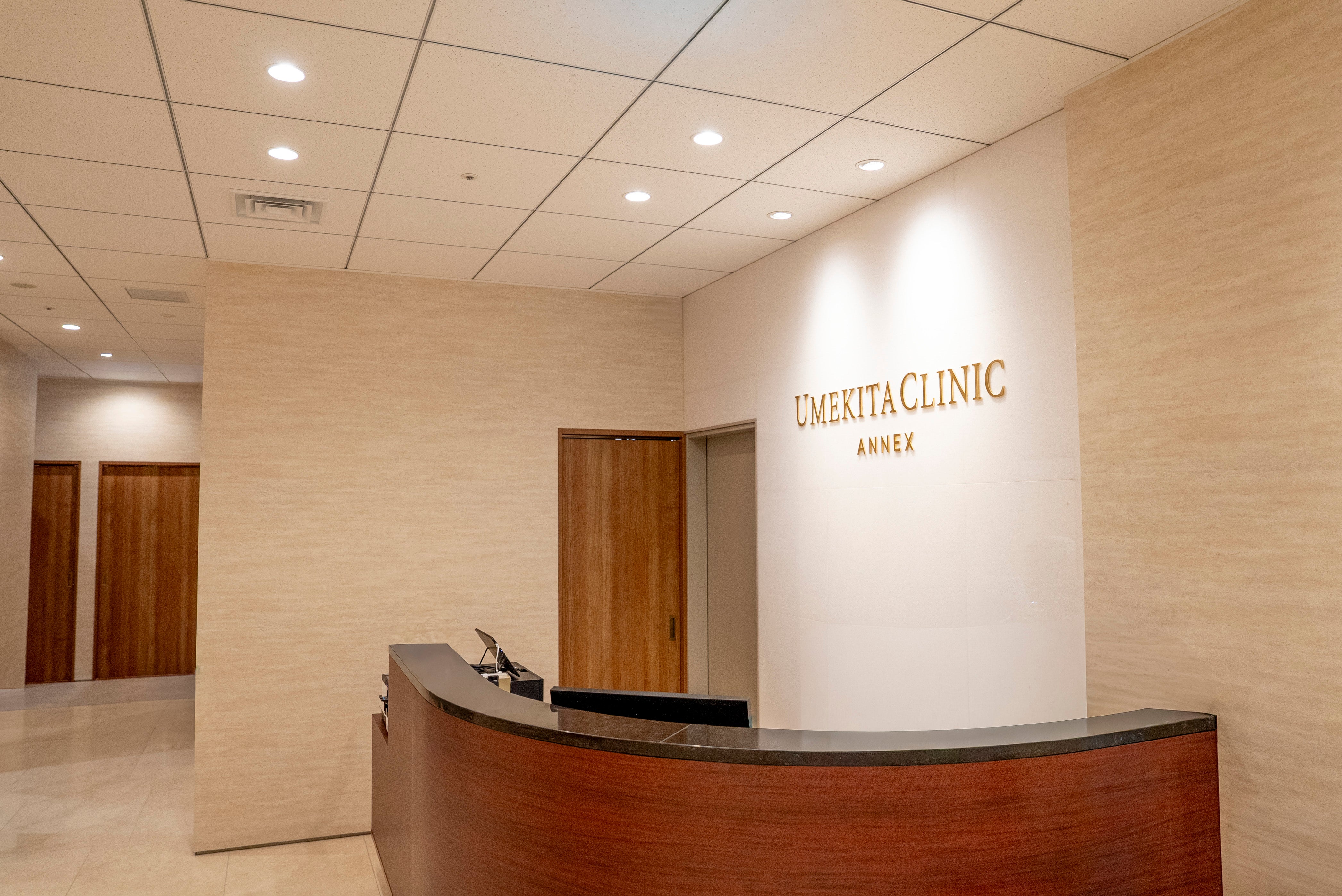
Grand Green Osaka Umekita Clinic
〒530-0011https://umekitaclinic.org/
Grand Green Osaka, South Building Gate Tower 5F, 5-54 Ofukacho, Kita-ku, Osaka Osaka
- Remarks
- Treatment Schedule
Blood Collection (approximately 24–50 mL per treatment)
This is only slightly more than the amount typically collected during a routine health checkup.
With a specialized method called apheresis, approximately 100 mL of blood may be collected at one time to prepare cells for up to six treatment sessions.
Cell Culture (approximately 2 weeks)
The cells are cultured and expanded at a specialized cell processing facility under strict quality control.
Intravenous Infusion (approximately 30 minutes)
More than 100 million cells are administered per treatment, with the usual dose ranging from approximately 1 to 2 billion cells. The cells are slowly returned to the body by intravenous infusion.
The procedure causes little to no pain, and patients may generally return home after the infusion.
Standard Schedule:
One treatment course generally consists of three infusions given at 2-week intervals. The physician may adjust the schedule according to the patient’s condition and treatment goals.