

Program Details
Information about medical programs provided by each healthcare institution, including treatment details, schedules, etc.,
- Chūbu / Aichi
- dentist
Same-day implant treatment with All-on-4 and 6【RYO JIMBO DENTAL Shin-Sakae Dental & Orthodontic Clinic】

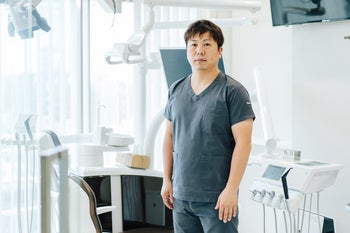
Immediate Implant Treatment
This is an immediate implant treatment that allows eligible patients to regain the ability to eat on the same day as implant surgery.
It is recommended not only for patients with loose teeth caused by periodontal disease or severe tooth decay, but also for those who wish to complete their implant treatment within a short stay in Japan.
Our clinic provides advanced implant treatment based on extensive clinical experience, including the management of complex and difficult cases.
Our Chairman, Dr. Ryo Jinbo, obtained his dental license in Sweden, the birthplace of modern implant treatment. He is also certified as an 【ITI Fellow and Implant Instructor】, a prestigious distinction awarded to specialists with outstanding achievements in research, education, or clinical practice in implant dentistry. Only a limited number of professionals in Japan hold this certification. He continues to perform a large number of implant treatments.
In addition to advanced technical expertise, our extensive experience in treating a wide range of cases enables us to provide patients with treatment they can undergo with confidence and peace of mind.
This program offers the innovative “All-on-4 / All-on-6” treatment, in which an entire dental arch is supported by four to six implants, rather than placing one implant for each missing tooth. By fitting temporary teeth (provisional restorations) on the day of surgery, we aim to enable patients to bite and eat from the same day.
Utilizing digital technology and advanced diagnostic equipment, we propose individualized treatment plans that prioritize safety and functionality for each patient.
【Treatment Schedule】
Treatment Process
1st Visit: Consultation and detailed examination
2nd Visit: Surgery and same-day placement of temporary teeth (approximately 4 hours)
3rd Visit: Disinfection and follow-up observation; approximately 3–6 months later, dental impressions are taken (approximately 1 hour)
Final prosthetic restoration placement (ceramic restoration; approximately 6 weeks later)
20 years of experience; approximately 200 implant surgery cases performed in fiscal year 2025.
Expected Outcome: Patients may be able to eat from the day of implant surgery.
- Providing Medical Institution
-
RYO JIMBO DENTAL Aratamabashi DENTISTRY・ORTHODONTICS
〒457-0012
NARITA BLD 1F, 1-4-10 Kikuzumi, Minami-ku, Nagoya, Aichi
- Eligibility Criteria/Exclusions for Treatment
- This program is intended for patients with advanced periodontal disease, extensive tooth decay, or those who require comprehensive treatment of all remaining teeth.
- Precautions / Contraindications
- 【Potential Risks and Side Effects of Dental Implant Treatment】
Inferior alveolar nerve injury
Injury to the inferior alveolar nerve may occur during implant placement, potentially causing numbness, altered sensation, or decreased sensation of the lower lip, chin, or tongue. This may result from direct contact with or close proximity to the nerve. If the implant compresses or damages the nerve, implant removal may be necessary. Depending on the condition, observation or medication may also be recommended.
Maxillary sinus perforation
During implant placement in the upper jaw, the maxillary sinus membrane may be perforated. If postoperative infection occurs, sinusitis may develop. In some cases, implant removal and treatment by an otolaryngologist (ENT specialist) may be required.
Risks associated with surgery
Unlike dentures, implant treatment requires oral surgery. Because nerves, blood vessels, and surrounding tissues may be affected during surgery, surgical risks exist. Some patients may not be suitable candidates for implant treatment. Patients with diabetes, poor oral hygiene, insufficient jawbone volume, or those who smoke may require medical treatment or lifestyle modifications before surgery.
Postoperative discomfort
Temporary discomfort, pain, swelling, and minor bleeding are common after surgery. These symptoms usually improve within 2–3 days, although recovery varies between individuals.
Treatment duration
Implant treatment requires a healing period because the implant must integrate with the jawbone (osseointegration). This generally takes 3–6 months. If bone augmentation procedures such as bone grafting are required, the overall treatment period will be longer.
Long-term maintenance
Regular follow-up examinations and professional maintenance are essential after implant treatment. Although implants cannot develop dental caries, inadequate oral hygiene may lead to peri-implantitis, an inflammatory disease affecting the tissues around the implant, which may result in implant failure. Routine maintenance is necessary to maximize the long-term success of implant treatment.
Insurance coverage
Dental implant treatment is generally not covered by Japan's public health insurance and is provided as a self-funded treatment.
Contraindications
Implant treatment is not recommended for children whose jawbones are still developing. It is also contraindicated during pregnancy, when pregnancy is suspected, or while breastfeeding because medications such as antibiotics and pain relievers may be required.
Medical conditions
Certain medical conditions, including heart disease and osteoporosis, may affect eligibility for implant treatment. Some medications, including antihypertensive drugs and other prescription medicines, may also influence treatment. Please inform your dentist of your complete medical history and all medications during your consultation.