

Program Details
Information about medical programs provided by each healthcare institution, including treatment details, schedules, etc.,
- Surgery
- ophthalmology
- Surgery
Multidisciplinary Treatment for Breast Cancer 【Kishiwada Tokushukai Hospital】

Enhancing Quality of Life (QOL) for Breast Cancer Patients with a Wide Range of Treatment Options
We provide a wide range of treatments, including breast-conserving surgery, reconstructive surgery, chemotherapy, and radiation therapy, aiming to enhance the quality of life (QOL) for breast cancer patients through specialized care.
- Program details
- Multidisciplinary Breast Cancer Treatment at Our Hospital
At our hospital, we offer a comprehensive range of treatments, including surgery, drug therapy, and radiation therapy.
Surgical Options
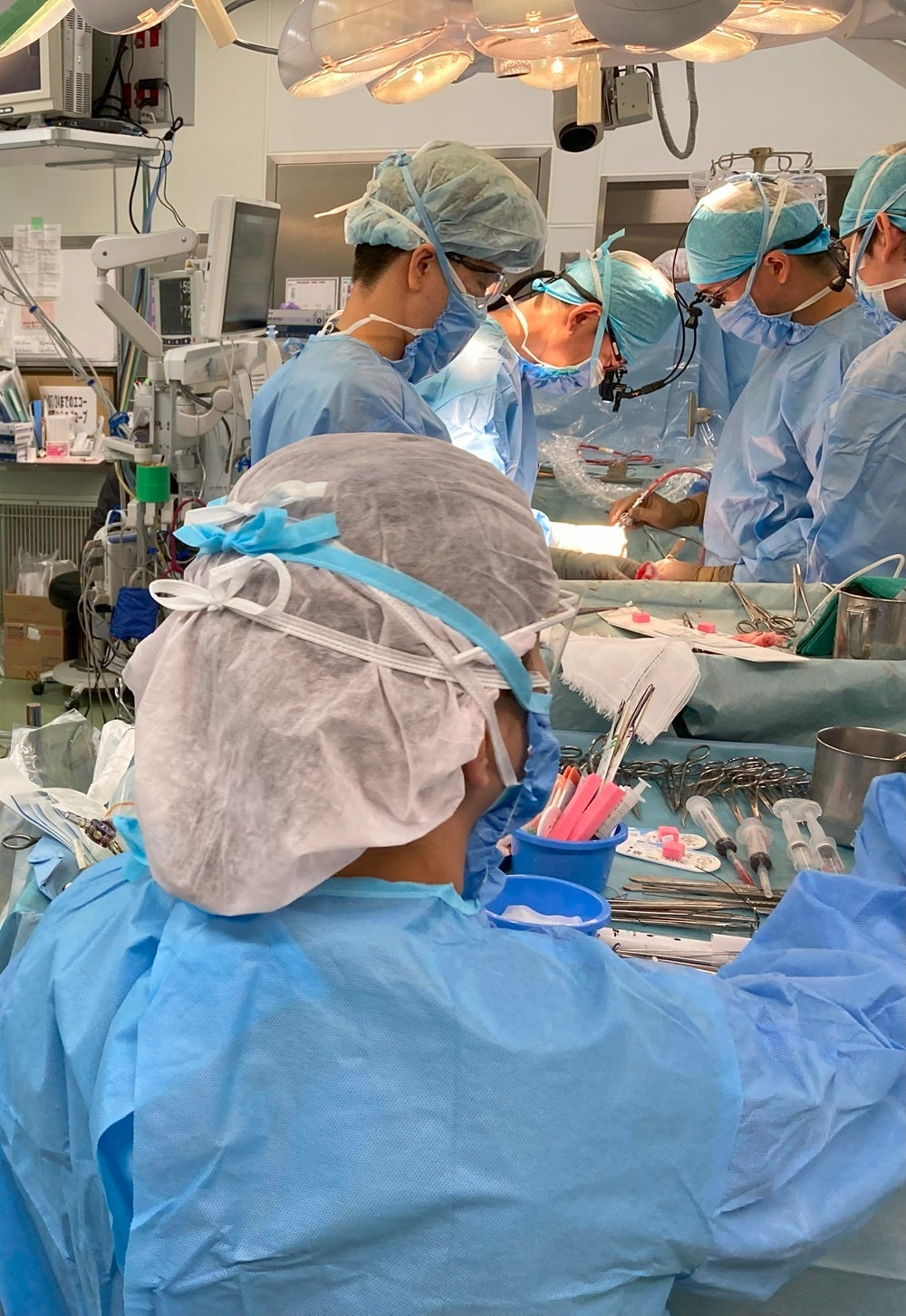
We provide breast-conserving surgery, mastectomy, sentinel lymph node biopsy, lymph node dissection, and breast reconstruction using autologous tissue. During breast-conserving surgery and sentinel lymph node biopsy, collaboration with pathologists enables intraoperative evaluation of resection margins and lymph node metastasis.
For sentinel lymph node biopsy, we follow the results of the Z-0011 trial (indicating no need for additional lymph node dissection if there are up to two visible metastases) and the AMAROS trial (showing that postoperative radiation therapy can eliminate the need for additional dissection in cases where sentinel lymph node metastasis is present but clinically negative). We strive to minimize unnecessary lymph node dissection, thereby reducing the risk of complications.. Since starting sentinel lymph node biopsy in July 2000, prior to insurance coverage, we have conducted over 2,500 cases and contributed to numerous research studies.
Breast Reconstruction Using Autologous Tissue
In addition to latissimus dorsi reconstruction, commonly performed in cases requiring significant tissue removal during partial mastectomy, we offer expanded latissimus dorsi flap reconstruction, which uses fat and muscle from the back and waist for cases where the entire breast is removed (often preserving the nipple). This method provides substantial volume without postoperative radiation therapy. This technique overcomes the volume limitations of standard latissimus dorsi flaps while maintaining stable blood flow. Although it leaves scars on the back that may not be concealed by a bra, it is an excellent and well-established procedure.
Nipple-Sparing Surgery
We have developed innovative techniques allowing nipple preservation in cases where standard procedures typically involve nipple removal. Through extensive case analysis and academic contributions, we have demonstrated that nipple necrosis and recurrence rates are minimal, achieving outcomes comparable to mastectomy with nipple removal.
Drug Therapy
We follow standard treatment protocols, including chemotherapy and molecular-targeted therapies, and combine various approaches to aim for curative outcomes even in challenging cases. We have successfully achieved cures in cases deemed difficult, demonstrating the importance of open consultation.
Radiation Therapy and Bone Metastasis Treatment
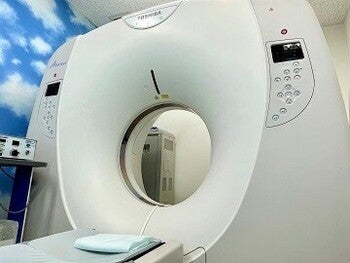
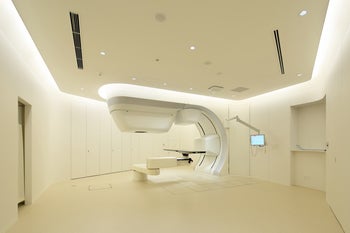
Our facility also provides radiation therapy, enabling comprehensive care for recurrent and metastatic breast cancer. We have extensive experience in diagnosing and treating bone metastases, supported by ongoing research.
For any concerns or inquiries, please feel free to consult us.
- Providing Medical Institution
-
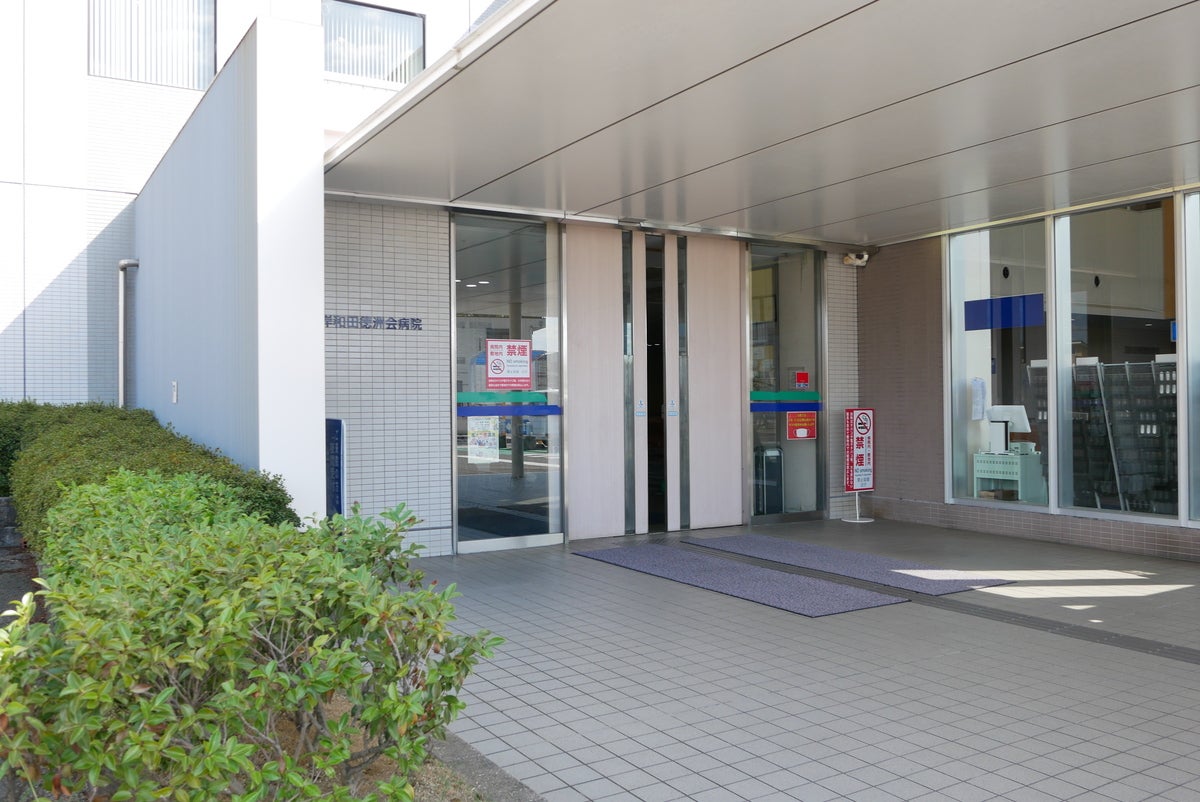
Kishiwada Tokushukai Hospital
〒596-0042https://kishiwada.tokushukai.or.jp/en/
4-27-1 Kamoricho, Kishiwada City Osaka
- Eligibility Criteria/Exclusions for Treatment
- Eligibility Criteria
1. Medical Information:
- Diagnosis (e.g., breast cancer, breast cancer with bone metastasis)
- Stage and progression of cancer, tumor location (e.g., feasibility of nipple preservation)
- Examination results from other institutions (e.g., mammogram, MRI, CT, PET)
- Presence of comorbidities (e.g., diabetes, heart disease, kidney disease)
2. History of Treatment:
- Previous breast cancer treatment history (e.g., surgery, chemotherapy, radiation therapy)
- Current medications (e.g., anti-cancer drugs, anticoagulants, hormone therapy)
- Allergies or adverse drug reactions
3. Physical Fitness and Age:
- Assessment of whether elderly patients or those with underlying conditions can tolerate surgery, chemotherapy, or radiation therapy
- Evaluation of suitability for reconstructive surgery or drug therapy
4. Preoperative Testing and Preparation:
- Ability to undergo required preoperative tests (e.g., blood tests, ECG, tumor marker tests)
- Capability to manage preoperative lifestyle adjustments and maintain health during drug therapy
5. Postoperative Follow-Up and Lifestyle Guidance:
- Ability and willingness to participate in regular follow-up visits and postoperative care
- Adherence to lifestyle guidance and side effect management during radiation or chemotherapy
- Precautions / Contraindications
- 1. Cases Not Suitable for Treatment:
- Treatment may be restricted for patients with severe heart or kidney disease who cannot tolerate surgery or chemotherapy.
- Patients unable to receive radiation therapy (due to conditions such as dermatitis or radiation hypersensitivity) or those with allergic reactions to anticancer drugs or hormone therapies may require alternative treatment approaches.
- In cases where cancer has widely metastasized, surgery may not aim for a cure but focus on symptom relief.
2. Postoperative and Treatment-Related Side Effect Risks:
- Postoperative risks such as infection, blood clots, and lymphedema require diligent wound care and effective blood flow management.
- Chemotherapy and radiation therapy may cause nausea, hair loss, fatigue, and immune suppression, requiring regular management of side effects.
- Bone metastasis treatments may increase the risk of fractures, requiring guidance to reduce physical strain in daily activities.
Important Pre-Treatment Information
1. Preoperative Preparation:
- Patients taking anticoagulants or antiplatelet drugs may need to discontinue them before surgery under medical supervision.
- Preoperative tests (e.g., blood tests, CT, ECG) are necessary to confirm surgical eligibility and overall health.
2. Side Effect Management and Follow-Up:
- During chemotherapy or radiation therapy, side effects such as nausea, numbness, and fatigue may occur and should be managed in consultation with a physician.
- Monitoring physical changes during and after treatment is crucial, and any abnormalities should be promptly reported to a healthcare provider.
3. Lifestyle and Daily Precautions:
- Since immune suppression is common, infection prevention (e.g., hand hygiene, avoiding crowded places) is essential, along with maintaining a balanced diet and adequate rest.
- Rehabilitation guidance should be followed to gradually restore daily routines while being mindful of physical limitations.
4. Regular Follow-Up:
- Post-treatment, regular outpatient visits and tests are necessary to monitor progress and detect signs of recurrence or metastasis.
- Early consultation with a physician is critical if symptoms recur or health conditions change.
5. Emergency Response:
- Contact a medical institution immediately in case of fever, severe pain, bleeding, or infection after surgery or during treatment.
- Ensure that emergency contact information for medical institutions and attending physicians is readily available.