

Program Details
Information about medical programs provided by each healthcare institution, including treatment details, schedules, etc.,
- Surgery
- Surgery
Treatment for Trigeminal Neuralgia and Hemifacial Spasm 【Kishiwada Tokushukai Hospital】
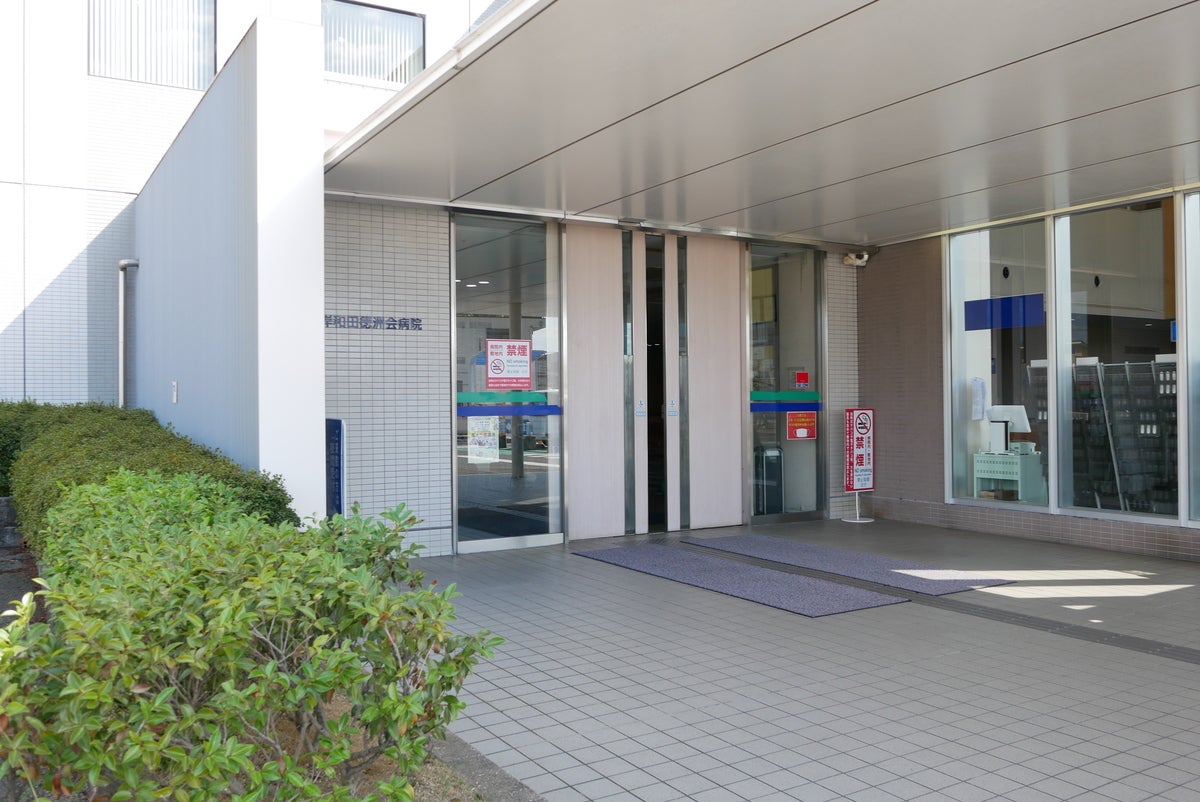
Relieve Facial Pain and Spasms
Eliminate Nerve and Vascular Compression
Trigeminal neuralgia and hemifacial spasm are caused by contact between nerves and blood vessels. Microvascular decompression surgery can fundamentally alleviate severe pain and spasms.
- Program details
- Diseases Caused by Contact Between Blood Vessels and Nerves
Do you experience a searing pain like being stabbed with a burning hot iron on one side of your gums, jaw, or cheek when chewing food or when something touches your cheek? Or have you noticed involuntary twitching of the facial muscles around one eye and cheek without your control?
The former condition is known as trigeminal neuralgia, while the latter is called hemifacial spasm. Both conditions are caused by the contact between fine blood vessels and the roots of the facial or trigeminal nerves near the brainstem, a deep part of the brain.
In cases of trigeminal neuralgia, the pain is often mistaken for dental problems, leading to unnecessary tooth extractions. While these conditions are not life-threatening, the excruciating pain may drive some patients to consider suicide. Additionally, many patients with hemifacial spasm experience emotional distress or embarrassment due to the visible twitching of their facial muscles.
For trigeminal neuralgia, painkillers are often prescribed to manage symptoms, while for hemifacial spasm, small doses of botulinum toxin may be injected into the facial muscles to temporarily paralyze them and stop the spasms. However, these conservative treatments are temporary symptom-relief measures and become less effective over time.
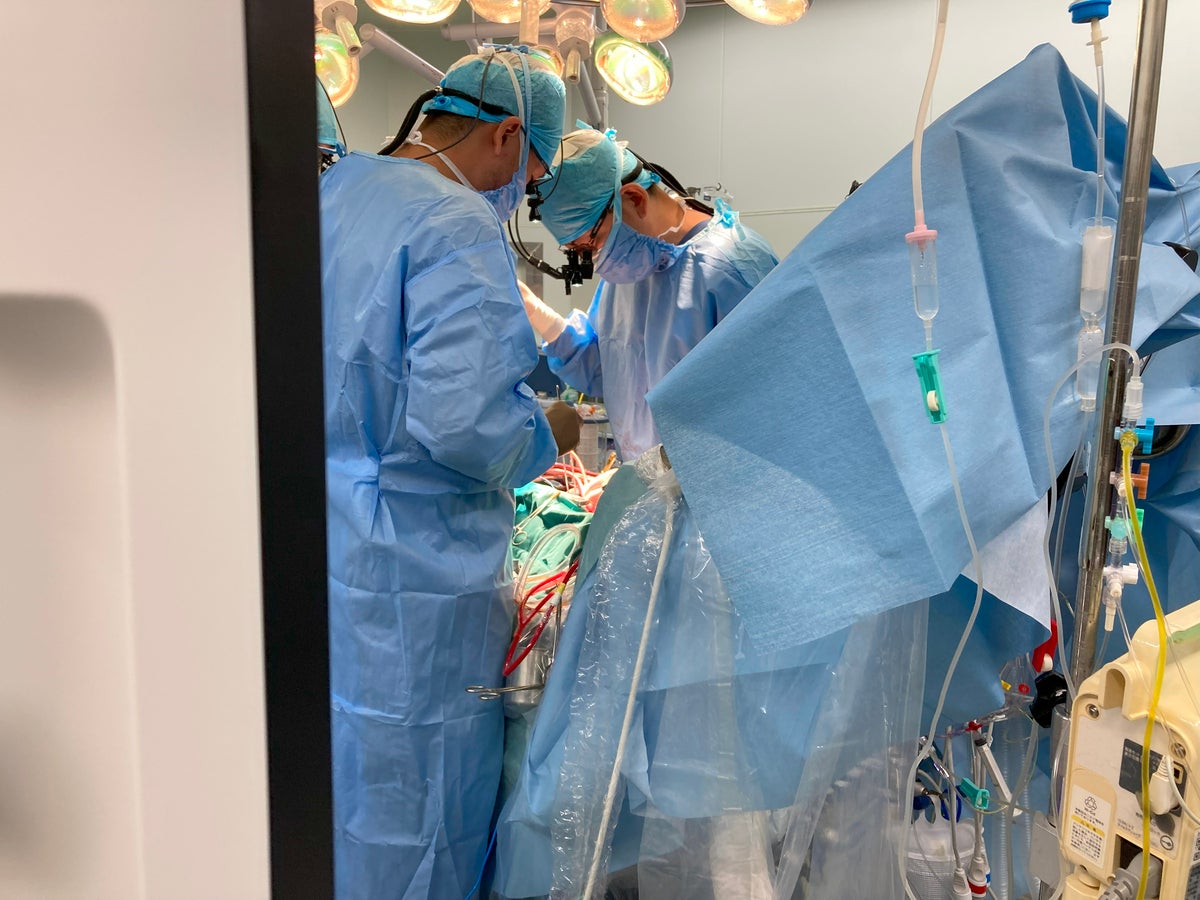
For a fundamental cure, microvascular decompression surgery, which separates the blood vessels from the affected nerves, is highly effective. This procedure involves removing a small portion of the bone behind the ear (about the size of a Japanese 500-yen coin), navigating through the brain’s crevices to reach the brainstem, and placing a small cushion between the nerve and the blood vessel causing the compression. Most patients experience immediate relief from facial pain or spasms after surgery.
If you have been suffering from facial pain or spasms for years, consider undergoing an MRI scan to check if your nerves and blood vessels are in contact.
- Providing Medical Institution
-
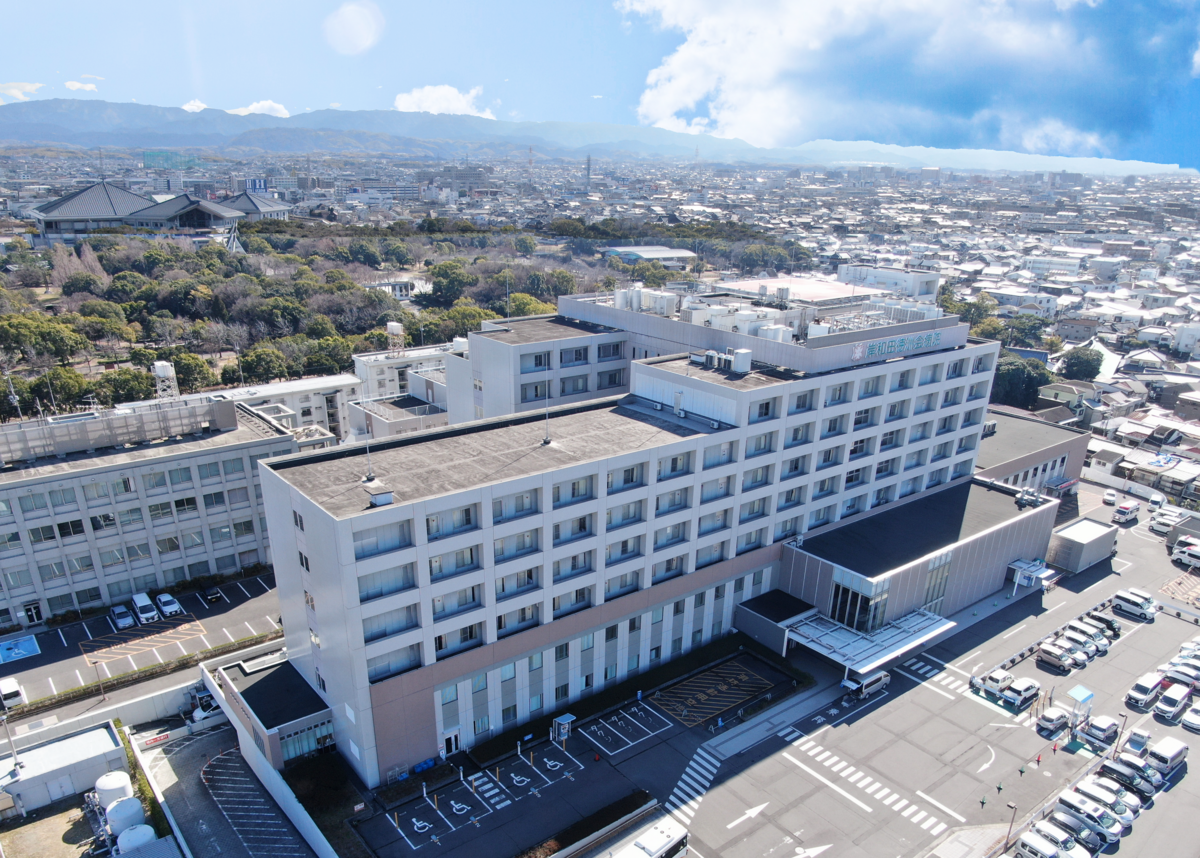
Kishiwada Tokushukai Hospital
〒596-0042https://kishiwada.tokushukai.or.jp/en/
4-27-1 Kamoricho, Kishiwada City Osaka
- Eligibility Criteria/Exclusions for Treatment
- Admission Criteria
1. Medical Information:
- Diagnosis (e.g., trigeminal neuralgia, hemifacial spasm)
- Detailed symptoms (e.g., severity and frequency of facial pain or spasms, affected areas)
- Examination results from other institutions (evidence of nerve and blood vessel contact on MRI)
- Comorbidities (e.g., hypertension, diabetes, heart disease)
2. History of Treatment:
- Past treatment history (e.g., painkillers, botulinum toxin injections, other nerve-related therapies)
- Current medications (e.g., anticonvulsants, analgesics)
- Presence of allergies or adverse drug reactions
3. Age and Physical Fitness:
- Assessment of whether elderly or comorbid patients can tolerate surgery or anesthesia
- Suitability for surgery under general anesthesia
4. Evaluation by MRI:
- Confirmation of nerve and vascular contact through outpatient MRI scans
- Determination of the likelihood of symptom improvement with surgery
5. Postoperative Management and Follow-Up:
- Ability to cooperate with regular postoperative follow-up
- Willingness to adhere to postoperative lifestyle instructions
- Precautions / Contraindications
- 1. Cases Not Suitable for Treatment:
- Severe comorbidities (e.g., heart disease, untreated infections, renal failure) may increase anesthesia risks, making surgery unsuitable.
- Surgery is not recommended if there is no contact between nerves and blood vessels, as microvascular decompression is unlikely to be effective.
- Patients unable to discontinue anticoagulants may face high bleeding risks, limiting surgical options.
2. Risks Associated with Microvascular Decompression:
- Risks include infection, bleeding, hearing loss, and facial nerve paralysis, requiring careful management, especially in elderly patients.
- There is a risk of cerebrospinal fluid leakage, which may necessitate reoperation if symptoms occur post-surgery.
3. Risk of Recurrence:
- Pain or spasms may recur in some patients, potentially requiring additional surgery.
【Important Pre-Treatment Information】
1. Preoperative Preparation:
- Patients must discontinue antiplatelet and anticoagulant medications under medical guidance to avoid bleeding risks.
- Outpatient MRI scans are essential to confirm nerve and blood vessel contact.
2. Postoperative Care and Follow-Up:
- Patients must promptly report any signs of infection, bleeding, or paralysis to their medical provider after surgery.
- Postoperative headaches or dizziness are often temporary, but persistent symptoms should be discussed with a physician.
3. Lifestyle and Daily Precautions:
- Avoid strong impacts to the head and take precautions in daily activities after surgery.
- It is advisable to review lifestyle and spend time in a relaxed environment, as stress may exacerbate symptoms.
4. Regular Follow-Up:
- Regular outpatient follow-ups, including MRI or other diagnostic tests, are necessary to monitor progress after discharge.
- If pain or spasms recur, seek medical advice promptly to evaluate the need for additional treatment.
5. Emergency Response:
- Contact a medical provider immediately if severe headaches, facial paralysis, tinnitus, or hearing loss occur after discharge.
- Confirm emergency contact details for the treating physician or medical facility in advance.