

Program Details
Information about medical programs provided by each healthcare institution, including treatment details, schedules, etc.,
- Surgery
- Surgery
Treatment of Idiopathic Normal Pressure Hydrocephalus (iNPH)【Kishiwada Tokushukai Hospital】

It is a treatable form of dementia that can be improved with surgery.
Idiopathic Normal Pressure Hydrocephalus (iNPH) is a treatable form of dementia that can be improved with surgery. Shunt surgery is performed to regulate cerebrospinal fluid flow, aiming to improve gait and cognitive function.
- Program details
- Dementia Treatable with Surgery
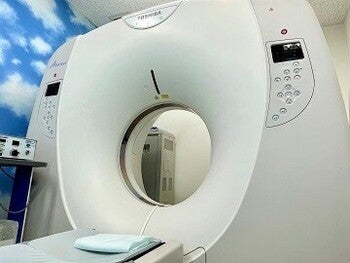
Patients often visit outpatient clinics or are referred by family members with complaints such as gradually worsening gait instability, severe forgetfulness, loss of motivation or energy, and urinary incontinence. When a head CT or MRI is performed, it sometimes reveals an enlargement of the brain's ventricles. This condition, known as hydrocephalus, occurs when the flow or absorption of cerebrospinal fluid (CSF) in the brain is disrupted for some reason.
CSF is produced at a rate of about 500 ml per day in the ventricles, circulates through the subarachnoid space, and is ultimately absorbed by arachnoid granulations located at the top of the brain. This system maintains a constant amount of CSF, which also protects the brain and spinal cord. When an obstruction or absorption issue occurs at any point in this circulation, the ventricles expand. If the cause of the absorption dysfunction is unclear, the condition is referred to as idiopathic normal pressure hydrocephalus (iNPH). Symptoms of iNPH are often misdiagnosed as general dementia.
Some forms of hydrocephalus can be treated surgically by improving CSF flow. iNPH is one such condition. Surgery involves redirecting excess CSF that can no longer be absorbed by the brain to the abdominal cavity. Two surgical methods are currently available:
1. Ventriculoperitoneal Shunt Surgery: Redirecting CSF directly from the ventricles to the abdominal cavity.
2. Lumboperitoneal Shunt Surgery: Redirecting CSF from the lumbar spinal region to the abdominal cavity.
Both surgeries involve implanting a shunt valve under the scalp or in the subcutaneous area of the lumbar region to fine-tune the flow of CSF.
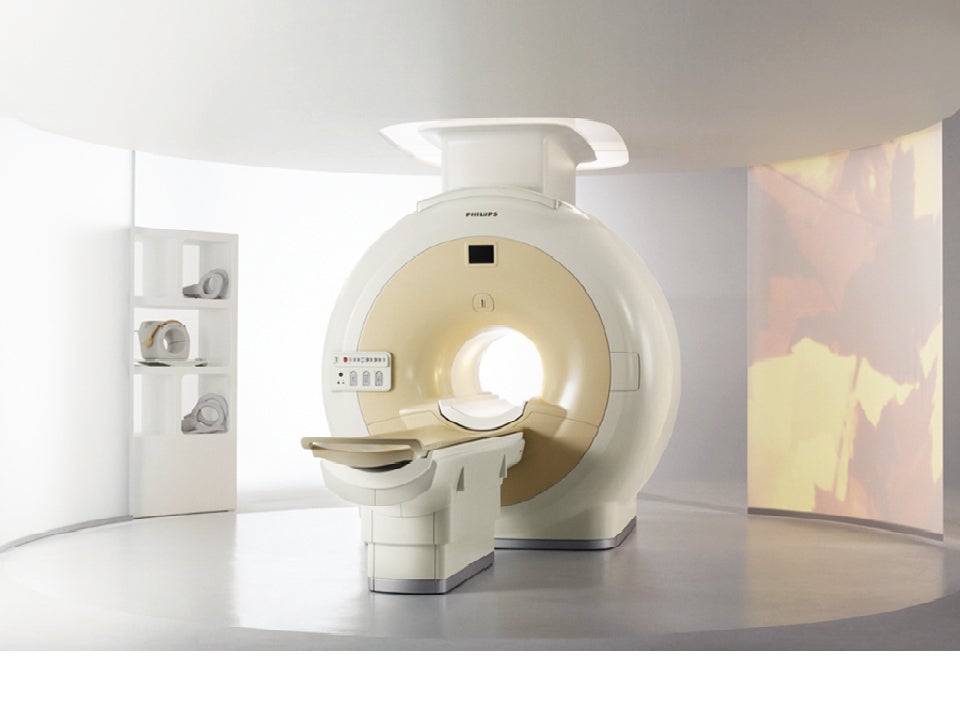
To determine whether the hydrocephalus is treatable with surgery, standardized diagnostic criteria are used. The process begins with MRI imaging during an outpatient visit to check if the brain's structure has features characteristic of iNPH. If MRI suggests a high likelihood of iNPH, a small amount of CSF is extracted from the lumbar region to assess whether symptoms like gait disturbance or dementia improve before and after the extraction. This is known as the Tap Test, which requires inpatient evaluation.
If these tests suggest that surgery is likely to be effective, shunt surgery is scheduled. Since shunt valves are precise devices, their settings can be affected by magnetic fields such as those used in MRI. Patients who have undergone shunt surgery must have regular outpatient follow-ups with head CT scans. They must also inform healthcare providers before undergoing an MRI to prevent potential complications.
- Providing Medical Institution
-
Kishiwada Tokushukai Hospital
〒596-0042https://kishiwada.tokushukai.or.jp/en/
4-27-1 Kamoricho, Kishiwada City Osaka
- Eligibility Criteria/Exclusions for Treatment
- Admission Criteria
1. Medical Information:
- Diagnosis (e.g., idiopathic normal pressure hydrocephalus)
- Detailed symptoms (e.g., gait disturbance, memory impairment, urinary incontinence)
- Examination results from other institutions (confirmation of ventricular enlargement via head MRI or CT)
- Presence of comorbidities (e.g., hypertension, diabetes, heart disease)
2. History of Treatment:
- History of neurosurgery or shunt surgery
- Current medications (e.g., anticoagulants, antiplatelet agents)
- Presence of allergies or adverse drug reactions
3. Age and Physical Fitness:
- Assessment of whether elderly or comorbid patients can tolerate surgery
- Evaluation of suitability for general anesthesia
4. Preoperative Tests:
- Confirmation of brain structure via MRI during an outpatient visit, showing characteristics of idiopathic normal pressure hydrocephalus
- Assessment of symptom improvement after cerebrospinal fluid (CSF) drainage using diagnostic tests such as the Tap Test
5. Renal Function:
- Evaluation of renal function is required due to the potential use of contrast agents (renal impairment may limit treatment options)
6. Postoperative Management and Follow-Up:
- Cooperation with regular follow-up after shunt surgery
- Ability to attend outpatient visits and follow instructions, especially since MRI scans may affect the shunt valve
- Precautions / Contraindications
- 1. Cases Not Suitable for Treatment:
- Patients with severe heart or kidney disease who cannot tolerate surgery or anesthesia may have limited treatment options.
- Patients at high risk for general anesthesia or those who do not show improvement during the Tap Test may also be unsuitable for shunt surgery.
- Patients with weakened immune systems at high risk for shunt infection require careful management.
2. Contraindications for Shunt Surgery:
- Patients taking antiplatelet or anticoagulant medications must discontinue them before surgery, which poses a risk of bleeding.
- Patients with allergies to contrast agents or impaired renal function may require alternative approaches to testing and follow-up due to the inability to use contrast agents.
3. Postoperative Complication Risks:
- Risks include infection, thrombosis, or shunt obstruction. Shunt obstruction can prevent CSF drainage and may necessitate additional surgery.
- There is a possibility of hydrocephalus recurrence or symptom relapse, making regular follow-up essential.
【Important Pre-Treatment Information】
1. Preoperative Preparation:
- Patients must discontinue antiplatelet or anticoagulant medications under medical guidance before surgery.
- All preoperative tests, including MRI, CT, and the Tap Test, must be completed to predict treatment outcomes.
2. Postoperative Care and Risks:
- After shunt surgery, monitor for headaches, fever, or signs of infection, and contact a medical institution promptly if abnormalities occur.
- Shunt valves may be affected by magnetic fields during MRI scans. Inform your physician before undergoing MRI and follow appropriate precautions.
3. Lifestyle and Daily Precautions:
- Avoid physical impacts to the head and ensure no mechanical interference with the shunt device in daily activities.
- Reduce infection risks by maintaining hygiene, especially when caring for surgical wounds or during outings.
4. Regular Follow-Up:
- Undergo regular CT or ultrasound exams to monitor shunt function after surgery.
- Long-term follow-up is necessary to check the condition and functionality of the implanted shunt, with regular outpatient visits as instructed.
5. Emergency Response:
- If symptoms such as gait instability, worsening cognitive symptoms, or urinary incontinence recur after discharge, contact a medical institution promptly.
- If shunt malfunctions or symptoms relapse, early re-evaluation is essential. Confirm emergency contact details and the responsible physician’s information in advance.