

Program Details
Information about medical programs provided by each healthcare institution, including treatment details, schedules, etc.,
- Surgery
- Surgery
Heart Valve Replacement Surgery【Kishiwada Tokushukai Hospital】
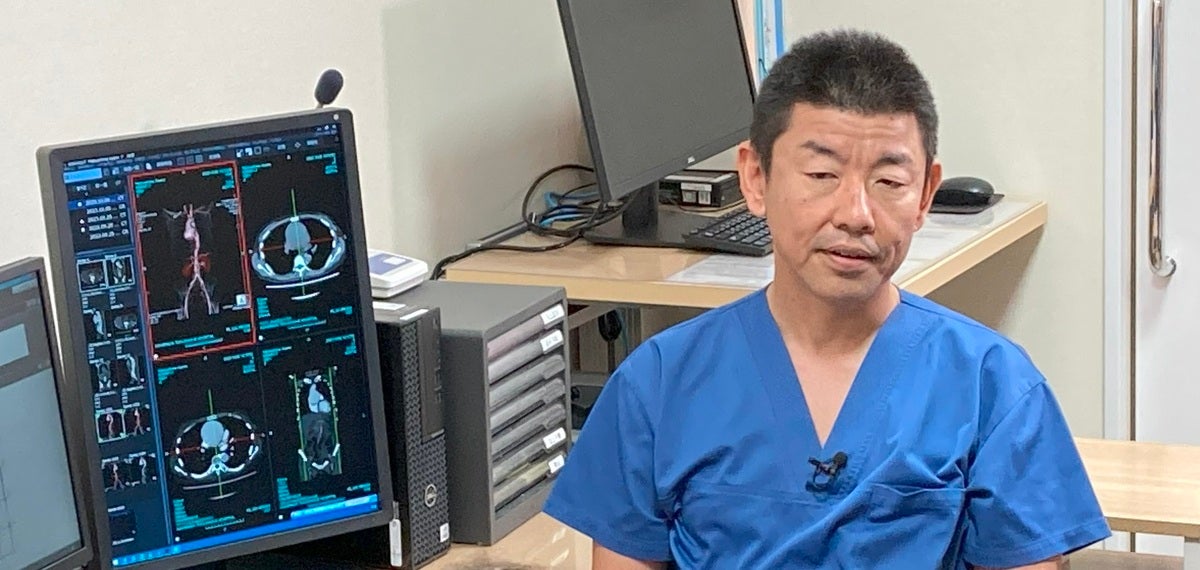
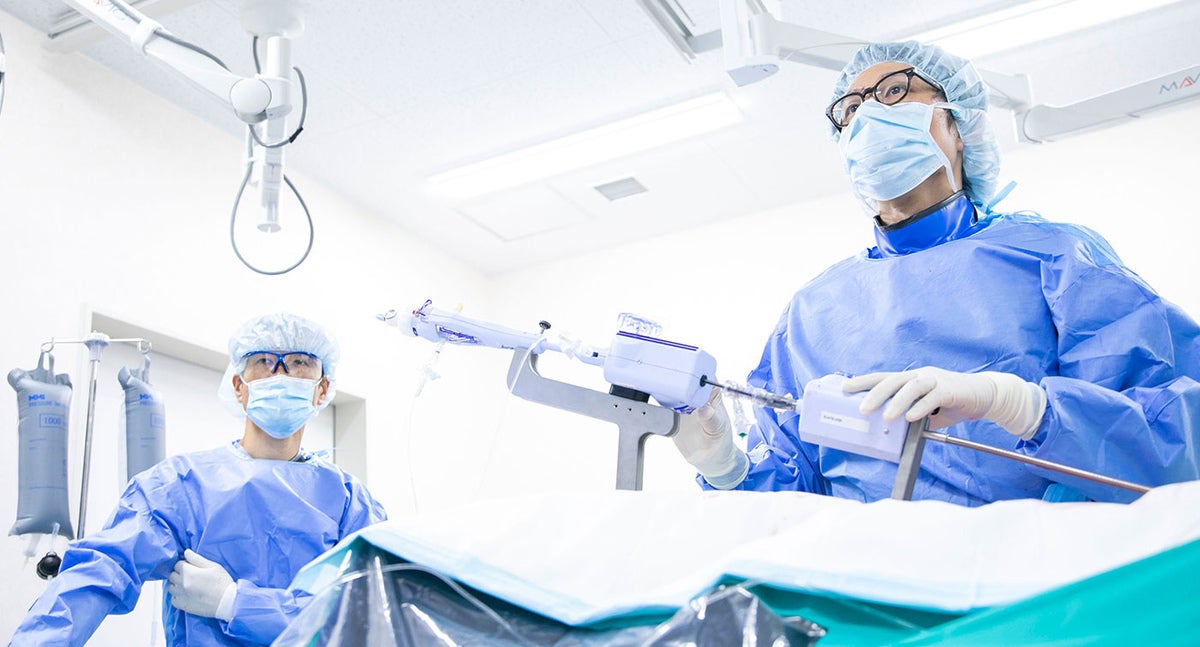

Providing Reliable Treatment for Heart Valve Disease with Minimally Invasive Procedures
At our hospital, we offer minimally invasive cardiac surgery (MICS) and endoscopic procedures for heart valve disease. By performing valve repair without using artificial valves, we reduce postoperative burden and provide treatment that eliminates the need for warfarin therapy.
- Program details
- Heart Valve Disease
For mitral and tricuspid valve regurgitation, the primary approach is valve repair surgery, which preserves the patient’s own valve. Since artificial valves are not used, this method offers superior durability and eliminates the need for lifelong warfarin therapy, a blood-thinning medication. Compared to valve replacement surgery, the postoperative burden on patients is significantly reduced. Depending on the degree of atherosclerosis, minimally invasive cardiac surgery (MICS) via a small thoracotomy may be an option. The number of MICS cases has been steadily increasing, and we now perform all procedures fully endoscopically. The benefits of endoscopic surgery for patients include smaller incisions and reduced pain.
For aortic valve disease or mitral valve stenosis, valve replacement surgery is typically performed. In cases of aortic or mitral valve disease, MICS through a small thoracotomy may also be possible, depending on the extent of atherosclerosis. Additionally, for the most common condition, aortic valve stenosis, transcatheter aortic valve replacement (TAVI) is an available option.
Artificial valves are classified into mechanical and biological types. Mechanical valves are highly durable but require lifelong warfarin therapy. Biological valves have a limited lifespan but do not necessitate warfarin. Recently, due to advancements in the longevity of biological valves and the emergence of catheter-based re-replacement techniques (TAVI in SAV), the choice of biological valves has become increasingly common.
In any case, it is essential to carefully consider factors such as the patient’s age and lifestyle circumstances and to decide on the surgical method in close consultation with the patient.
- Providing Medical Institution
-
Kishiwada Tokushukai Hospital
〒596-0042https://kishiwada.tokushukai.or.jp/en/
4-27-1 Kamoricho, Kishiwada City Osaka
- Eligibility Criteria/Exclusions for Treatment
- 1. Medical Information:
- Diagnosis (e.g., mitral valve, tricuspid valve, or aortic valve disease)
- Detailed symptoms (e.g., presence of shortness of breath, chest pain, or edema)
- Test results from other hospitals (e.g., echocardiography, CT, catheter examination)
- Other comorbidities (e.g., diabetes, hypertension, chronic renal failure)
2. Treatment History:
- History of cardiac surgeries or catheter-based treatments
- Current medications (e.g., anticoagulants such as warfarin)
- Effectiveness and side effects of prescribed medications
3. Age:
- Verification of age restrictions affecting surgical eligibility (e.g., elderly or younger patients)
4. Treatment Period, Duration, and Time:
- Estimated hospitalization period (e.g., for MICS or endoscopic surgery, including postoperative rehabilitation)
- Duration of surgery and postoperative observation period
- Frequency of outpatient visits and follow-up schedule
5. Other Conditions:
- Patient’s overall condition, physical strength, and nutritional status
- Need for emergency surgery
- Creation of a surgical plan** based on the patient’s preferred treatment methods and life circumstances
Based on the above information, we will assess the feasibility of acceptance and develop an appropriate treatment plan.