



Program Details
Information about medical programs provided by each healthcare institution, including treatment details, schedules, etc.,
- Internal Medicine
- dialysis
- medical treatment
- Internal Medicine
- neuropathy
Hope for Early-Stage Alzheimer’s Disease: Lecanemab (Leqembi®)【Kishiwada Tokushukai Hospital】



Early Detection Can Change the Future
Safe Lecanemab Treatment at Our Hospital
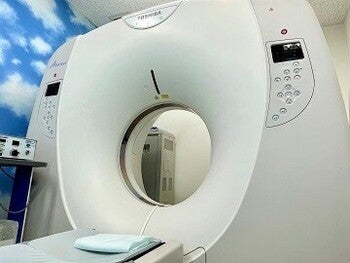
Brain MRI and Amyloid PET scans are available. Dementia specialists and multilingual staff are on-site to support patients from overseas.
This program is intended for patients with early-stage Alzheimer’s disease or mild cognitive impairment (MCI).
Brain amyloid accumulation is confirmed by PET scans, followed by intravenous treatment every two weeks (total of 36 sessions).
MRI is used regularly to monitor side effects (ARIA).
- Providing Medical Institution
-
Kishiwada Tokushukai Hospital
〒596-0042https://kishiwada.tokushukai.or.jp/en/
4-27-1 Kamoricho, Kishiwada City- Specialty
- **Cardiovascular Surgery:**
1. Coronary Artery Disease
2. Heart Valve Disease
3. Aortic Aneurysm
4. Aortic Dissection
5. Arteriosclerosis Obliterans
6. Arterial Thrombosis
7. Complications of Myocardial Infarction
- Ischemic Cardiomyopathy
- Left Ventricular Rupture
- Left Ventricular Aneurysm
- Ventricular Septal Rupture
- Papillary Muscle Dysfunction (Mitral Regurgitation)
8. Infective Endocarditis
9. Intracardiac Tumors
**Cardiology:**
1. Ischemic Heart Disease (e.g., Angina, Myocardial Infarction)
2. Lower Limb Arteriosclerosis Obliterans
3. Arrhythmia
4. Heart Valve Disease
5. Aortic Stenosis
6. Mitral Regurgitation
**Lower Gastrointestinal Surgery**
*Da Vinci Si - Robot-Assisted Surgery*
1. Malignant Diseases
2. Surgical Treatment of Small and Large Intestine Diseases
3. Primarily Surgical and Medical Treatments for Colon and Rectal Cancer
4. Robot-Assisted Surgery
5. Laparoscopic Surgery
6. Multimodal Therapy Combining Surgery, Chemotherapy, and Radiation Therapy
7. Systemic Chemotherapy for Unresectable Colorectal Cancer
**Breast Surgery:**
1. Breast-Conserving Surgery
2. Mastectomy
3. Sentinel Lymph Node Biopsy
4. Lymph Node Dissection
5. Breast Reconstruction Using Autologous Tissue
**Neurosurgery:**
1. Stroke
2. Cerebral Hemorrhage
3. Subarachnoid Hemorrhage
4. Cerebral Infarction
5. Head Trauma
6. Traumatic Intracranial Hematoma
7. Skull Fracture
8. Chronic Subdural Hematoma
9. Brain and Spinal Cord Tumors
10. Acoustic Neuroma
11. Pituitary Tumor
12. Meningioma
13. Metastatic Brain Tumors
14. Functional Neurological Disorders
15. Facial Spasm
16. Trigeminal Neuralgia
17. Epilepsy
18. Normal Pressure Hydrocephalus
**Urology**
*Da Vinci Si - Robot-Assisted Surgery*
1. Robot-Assisted Laparoscopic Radical Prostatectomy
2. Prostate Cancer
3. Renal Cancer
4. Upper Urinary Tract Cancer
5. Urolithiasis (Urinary Stones)
**Radiology:**
1. Comprehensive Imaging Diagnosis (X-ray, Ultrasound, CT, MRI, Angiography, PET)
2. Liver Tumors
3. Gastrointestinal Hemorrhage
4. Arterial Embolization for Hemoptysis and Traumatic Hemorrhage
5. Transcatheter Venous Embolization for Gastric Varices
6. Intra-Arterial Chemotherapy for Cancer
7. Reservoir Placement
8. CT-Guided Biopsy (Interventional Radiology - IVR)
9. TomoTherapy - Radixact
**Dialysis**
*Travel Hemodialysis* (Available for Individual Travelers Only, Not for Groups)
**Other**
*Second Opinion* (In-person Only, Online Not Available)
- Eligibility Criteria/Exclusions for Treatment
- [Eligibility Criteria]
Target: Patients diagnosed with mild cognitive impairment (MCI) or early-stage Alzheimer’s disease
Required tests: Amyloid PET, cognitive function tests, and brain MRI
Treatment period: Approximately 18 months (outpatient visits and intravenous infusions every two weeks)
Eligibility will be determined based on age, genetic risk, and treatment history
MRI follow-up during treatment must be possible
Pregnant or breastfeeding individuals and those with severe brain disorders are not eligible
- Precautions / Contraindications
- [Precautions & Contraindications]
Lecanemab treatment is intended only for patients with early-stage Alzheimer’s disease or mild cognitive impairment (MCI).
Treatment cannot be initiated unless amyloid positivity is confirmed by a PET scan.
Treatment requires an intravenous infusion every two weeks (approximately one hour each) for 18 months. Patients who cannot continue regular outpatient visits are not eligible.
Regular brain MRI monitoring is necessary during treatment.
Side effects such as ARIA (brain swelling or bleeding) may occur, which carry a risk of becoming severe.
Patients with the APOE ε4 gene or cerebrovascular abnormalities may have a higher risk and should consider treatment carefully.
The following individuals may not be eligible for treatment:
– Those with a history of severe allergy to this medication
– Those who are pregnant or breastfeeding
– Those with active brain hemorrhage or cerebral edema
Family consent and support are required.