

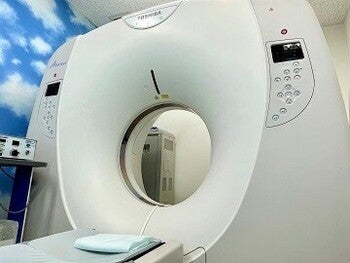


Program Details
Information about medical programs provided by each healthcare institution, including treatment details, schedules, etc.,
- Surgery
- ophthalmology
- Surgery
RobotAssisted Surgery (Colon Cancer and Rectal Cancer)【Kishiwada Tokushukai Hospital】
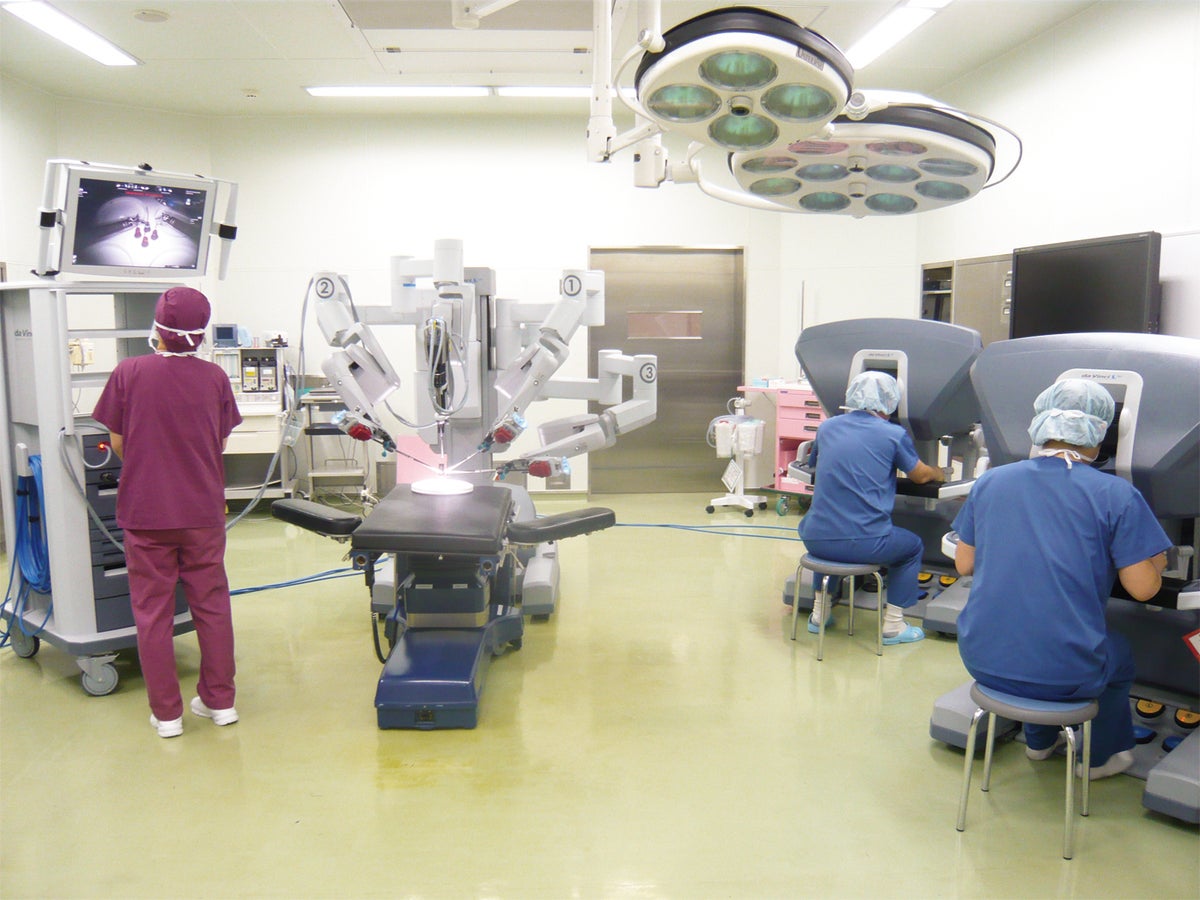


Advanced RobotAssisted Technology for Colon and Rectal Cancer Treatment
Our robotassisted surgeries utilize the latest Da Vinci Xi system to provide minimally invasive, safe, and precise treatment for colon and rectal cancers.
- Providing Medical Institution
-
Kishiwada Tokushukai Hospital
〒596-0042https://kishiwada.tokushukai.or.jp/en/
4-27-1 Kamoricho, Kishiwada City- Specialty
- **Cardiovascular Surgery:**
1. Coronary Artery Disease
2. Heart Valve Disease
3. Aortic Aneurysm
4. Aortic Dissection
5. Arteriosclerosis Obliterans
6. Arterial Thrombosis
7. Complications of Myocardial Infarction
- Ischemic Cardiomyopathy
- Left Ventricular Rupture
- Left Ventricular Aneurysm
- Ventricular Septal Rupture
- Papillary Muscle Dysfunction (Mitral Regurgitation)
8. Infective Endocarditis
9. Intracardiac Tumors
**Cardiology:**
1. Ischemic Heart Disease (e.g., Angina, Myocardial Infarction)
2. Lower Limb Arteriosclerosis Obliterans
3. Arrhythmia
4. Heart Valve Disease
5. Aortic Stenosis
6. Mitral Regurgitation
**Lower Gastrointestinal Surgery**
*Da Vinci Si - Robot-Assisted Surgery*
1. Malignant Diseases
2. Surgical Treatment of Small and Large Intestine Diseases
3. Primarily Surgical and Medical Treatments for Colon and Rectal Cancer
4. Robot-Assisted Surgery
5. Laparoscopic Surgery
6. Multimodal Therapy Combining Surgery, Chemotherapy, and Radiation Therapy
7. Systemic Chemotherapy for Unresectable Colorectal Cancer
**Breast Surgery:**
1. Breast-Conserving Surgery
2. Mastectomy
3. Sentinel Lymph Node Biopsy
4. Lymph Node Dissection
5. Breast Reconstruction Using Autologous Tissue
**Neurosurgery:**
1. Stroke
2. Cerebral Hemorrhage
3. Subarachnoid Hemorrhage
4. Cerebral Infarction
5. Head Trauma
6. Traumatic Intracranial Hematoma
7. Skull Fracture
8. Chronic Subdural Hematoma
9. Brain and Spinal Cord Tumors
10. Acoustic Neuroma
11. Pituitary Tumor
12. Meningioma
13. Metastatic Brain Tumors
14. Functional Neurological Disorders
15. Facial Spasm
16. Trigeminal Neuralgia
17. Epilepsy
18. Normal Pressure Hydrocephalus
**Urology**
*Da Vinci Si - Robot-Assisted Surgery*
1. Robot-Assisted Laparoscopic Radical Prostatectomy
2. Prostate Cancer
3. Renal Cancer
4. Upper Urinary Tract Cancer
5. Urolithiasis (Urinary Stones)
**Radiology:**
1. Comprehensive Imaging Diagnosis (X-ray, Ultrasound, CT, MRI, Angiography, PET)
2. Liver Tumors
3. Gastrointestinal Hemorrhage
4. Arterial Embolization for Hemoptysis and Traumatic Hemorrhage
5. Transcatheter Venous Embolization for Gastric Varices
6. Intra-Arterial Chemotherapy for Cancer
7. Reservoir Placement
8. CT-Guided Biopsy (Interventional Radiology - IVR)
9. TomoTherapy - Radixact
**Dialysis**
*Travel Hemodialysis* (Available for Individual Travelers Only, Not for Groups)
**Other**
*Second Opinion* (In-person Only, Online Not Available)
- Eligibility Criteria/Exclusions for Treatment
- Eligibility Criteria
1. Medical Information:
Diagnosis (e.g., colon cancer, rectal cancer)
Cancer stage and location
Examination results from other institutions (e.g., CT, MRI, endoscopy)
Presence of comorbidities (e.g., heart disease, diabetes, kidney disease)
2. History of Treatment:
Previous cancer treatments (e.g., surgery, chemotherapy, radiation therapy)
Current medications (e.g., anticoagulants, diabetes medications)
Presence of allergies or adverse drug reactions
3. Age and Physical Fitness:
Assessment of whether elderly or comorbid patients can tolerate surgery
Evaluation of suitability for laparoscopic robotassisted surgery
4. Preoperative Testing and Anesthesia Evaluation:
Ability to undergo required preoperative tests (e.g., blood tests, ECG, chest Xray)
Assessment of eligibility for surgery under general anesthesia
5. Postoperative Management and FollowUp:
Cooperation with postoperative inpatient care and recovery phase followup
Commitment to attending regular outpatient follow-ups
- Precautions / Contraindications
- 【Precautions and Contraindications】
1. Cases Not Suitable for Treatment:
Robotassisted surgery may not be appropriate for patients with advanced cancer or extensive metastasis to other organs.
Patients with severe cardiopulmonary dysfunction or high risks associated with general anesthesia may be deemed unsuitable for surgery.
Patients unable to discontinue anticoagulant medications may face high bleeding risks, limiting surgical options.
2. Surgical Risks:
Robotassisted surgery carries risks such as bleeding, infection, and thrombus formation. Careful management is essential, particularly for complex procedures.
There is a risk of injury to surrounding organs and postoperative bowel obstruction, requiring close postoperative monitoring.
3. Risk of Recurrence:
Some patients may experience cancer recurrence or metastasis, necessitating regular followup care.
# 【Important PreTreatment Information】
1. Preoperative Preparation:
Patients must discontinue anticoagulant or antiplatelet medications under medical guidance before surgery.
Preoperative tests (e.g., blood tests, CT scans, ECG) are required to confirm surgical eligibility.
2. Postoperative Care and FollowUp:
After surgery, monitor for bleeding, infection, and fever. Contact a medical provider immediately if abnormalities occur.
Temporary abdominal pain or delayed bowel movement may occur postoperatively, and patients should follow medical instructions during recovery.
3. Lifestyle and Daily Precautions:
Avoid excessive physical activity after surgery and gradually transition to light exercise while gradually transitioning to
a healthier lifestyle with balanced nutrition and stress management.
Focus on a highprotein, easily digestible diet and ensure adequate hydration.
4. Regular FollowUp:
Commitment to regular outpatient follow-ups (e.g., CT scans, tumor marker tests) are necessary to monitor for recurrence.
Report any changes in symptoms or discomfort promptly and consult with your physician.
5. Emergency Response:
Contact a medical provider immediately if severe abdominal pain, bleeding, or fever occurs after discharge.
Confirm emergency contact details for the treating physician or medical facility in advance.