
Facility Details
View an overview of the medical facility, affiliated physicians, and available programs in one place.
- Tohoku / Aomori
- medical treatment
- calculus
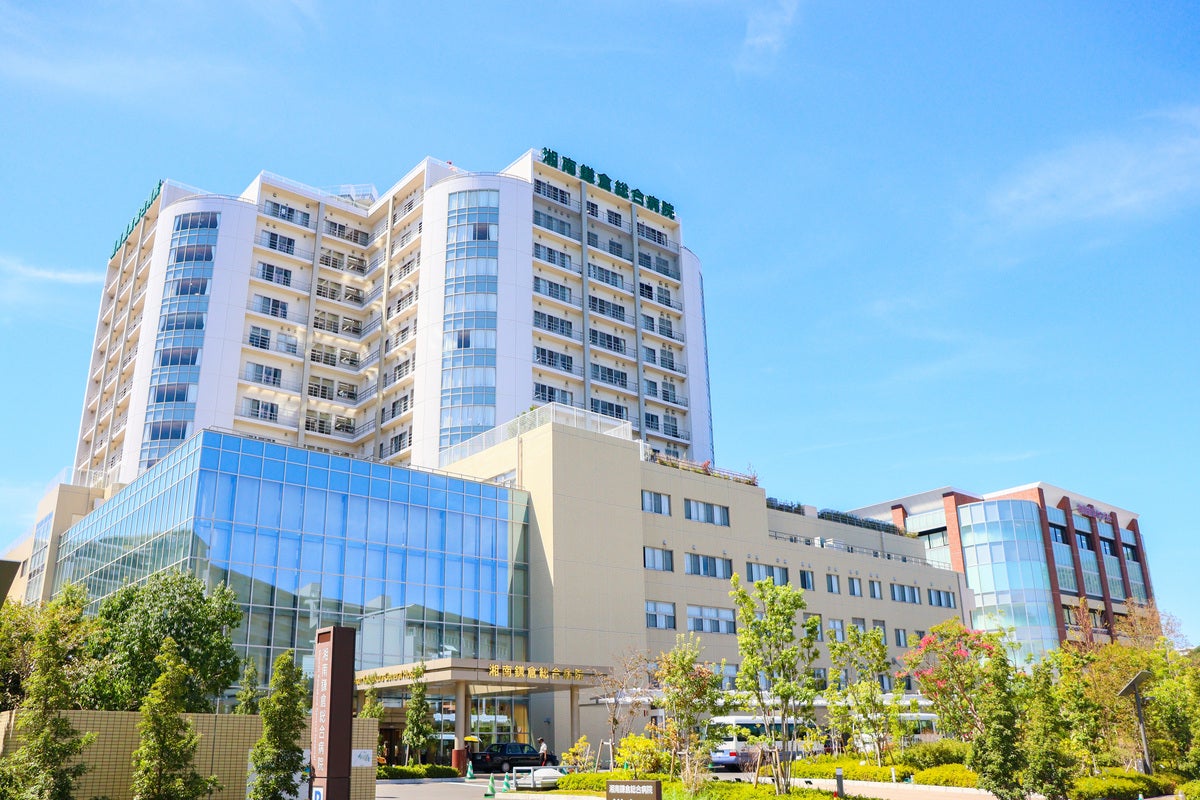
Medical Corporation Heiseikai Hachinohe Heiwa Hospital
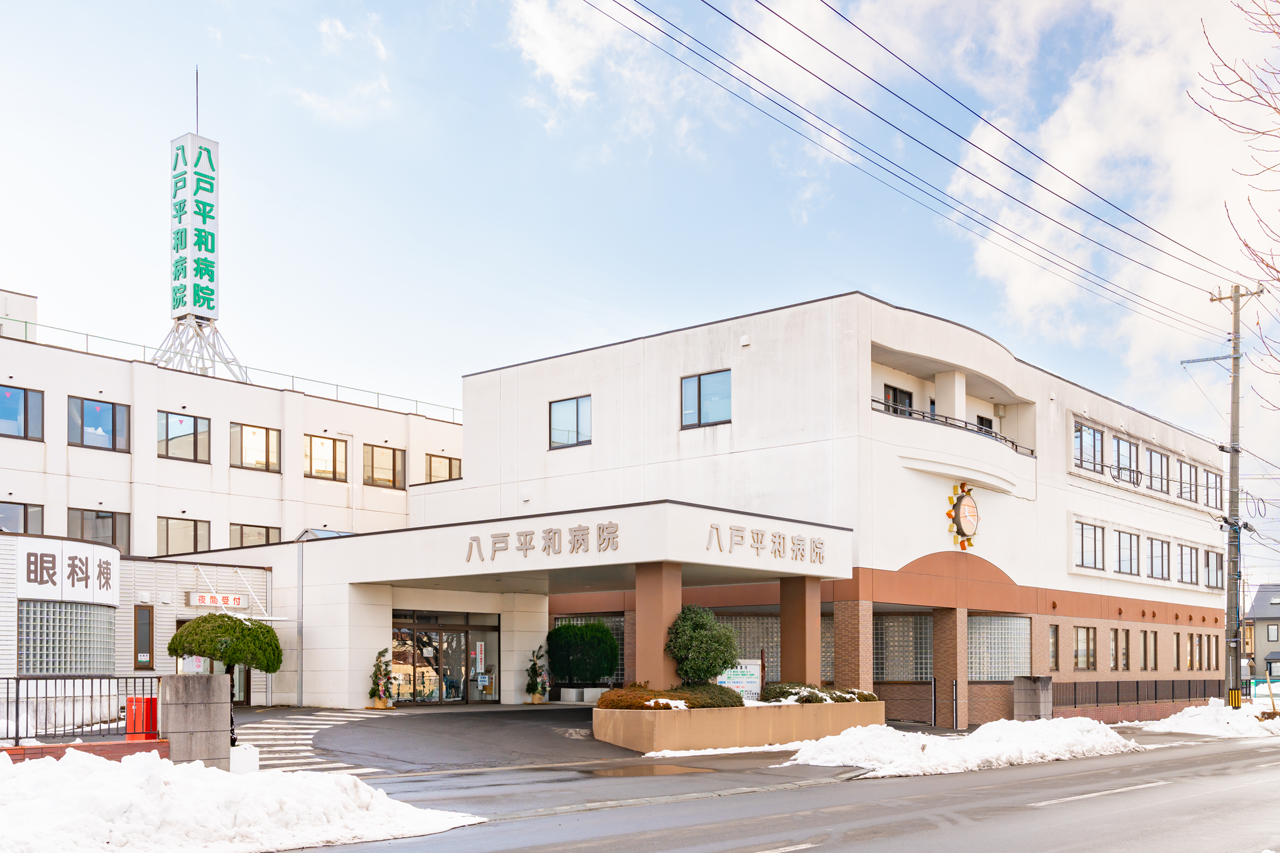
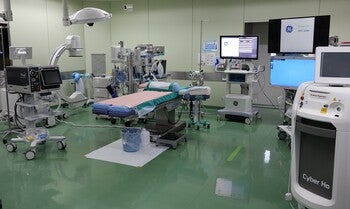
Our hospital provides stone and cancer surgery in the urology department, hip and knee joint surgery in the orthopedics department, cataract and vitreous surgery in the ophthalmology department, surgery for gastrointestinal diseases, cancer, and chemotherapy in the surgery department, and with our own dialysis facilities we can respond to sudden changes in the condition of dialysis patients, as well as cancer pain in the anesthesiology pain clinic and palliative care and pain control for post-herpetic pain and other conditions.
Our hospital has 11 advertised medical departments, including highly specialised departments of urology, orthopedics, and ophthalmology.
Other services include treatment for chronic kidney failure and chronic kidney disease before starting dialysis treatment, and a pain clinic run by the anesthesiology department.
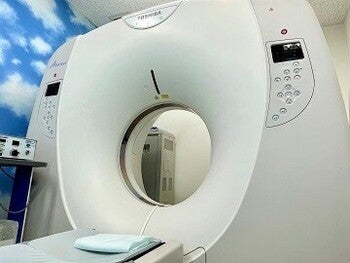
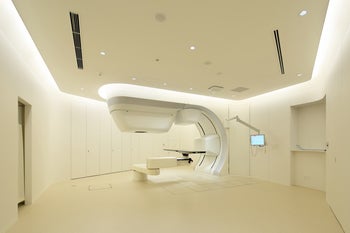
The hospital has 101 beds and its main equipment includes 46 dialysis machines, CT and MRI machines. There are three operating rooms and support for surgical operations by three anesthesiologists, ensuring safe and secure operations.
- Location
- 〒031-0823
2-4-6 Minato Takadai, Hachinohe City Aomori Google Map
- Departments
-
- Internal medicine
- surgery
- Orthopedic Surgery
- Ophthalmology
- Specialty
- Urology
Orthopedic Surgery
Gastroenterology
Cardiology
Ophthalmology
Internal Medicine
Anesthesiology
General Medicine
- Departments registered on this site
-
- Internal medicine
- surgery
- Orthopedic Surgery
- ophthalmology
- Urology, Gastroenterology, Anesthesiology, Pain Management Clinic, Cardiology
- Facility details
- 【Location】
Conveniently accessible from both Hachinohe Station on the Tohoku Shinkansen and Misawa Airport (with JAL flights to/from Tokyo Haneda, Osaka Itami, and Sapporo).
Surrounded by Aomori's renowned tourist attractions—including Lake Towada, Oirase Gorge, Mount Hakkoda, the famous Nebuta Festival, spectacular autumn foliage, and beautiful winter scenery—our hospital is ideally located for medical tourism, allowing patients to combine treatment with sightseeing.
Located along the Pacific coast, visitors can also enjoy fresh local seafood, including the region's famous Hachinohe offshore mackerel.
【Medical Equipment】
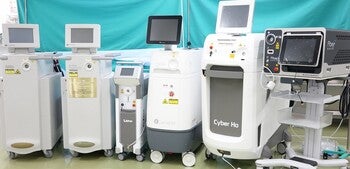
Thulium Fiber Laser (TFL): First introduced in Japan in 2023. Compared with conventional Holmium laser technology, TFL provides more efficient stone fragmentation, shorter operative times, and minimally invasive treatment for kidney stones up to approximately 20 mm.
Single-use (disposable) flexible ureteroscope: Helps reduce the risk of infection while providing safe endoscopic treatment.
CT and MRI: Advanced preoperative diagnostic imaging.
【Facilities】
101 inpatient beds
3 operating rooms
【Other Features】
First institution in Japan to introduce flexible ureteroscopic lithotripsy (f-URS).
More than 6,000 urinary stone procedures performed over the past 20 years.
A high-volume stone treatment center that also provides training to urologists from Japan and overseas.
Treatment can typically be completed during a short stay of up to 2 nights and 3 days, making it easy to combine medical care with sightseeing.
Available Programs
-
Nephrolithiasis and Minimally Invasive Endoscopic Surgery Program (Hachinohe Heiwa Hospital)
Minimally invasive treatment for kidney stones and ureteral stones using a single-use nephroscope and the latest laser device (thulium Pfizer laser).
Initial consultation: Visit the hospital in the morning of the surgery day and undergo pre-operative testing. An anesthesiologist will consult with you. Pre-operative testing ① If you have no coexisting conditions, you can be admitted to hospital and have surgery in the afternoon (surgery time 1-2 hours). ② If you have coexisting conditions: Depending on the situation, we will suggest that you wait for the test results and then admit you to hospital in the morning and have surgery in the afternoon a few days later. Surgery: Planned for a maximum of 2 nights and 3 days. Follow-up observation: If the ureteral stent placed after surgery can be removed during hospitalization, it will be removed. If the stent needs to be left in place for 1-2 weeks due to your condition, we will suggest removal at another hospital in Japan or in your home country. If you are staying in the Aomori area for tourism or other reasons, we can also remove the stent on a day trip at our hospital before you return home (included in the initial fee).
View Details