
Facility Details
View an overview of the medical facility, affiliated physicians, and available programs in one place.
- Kinki / Hyogo
- Internal Medicine
- regenerative medicine
- medical treatment
- Internal Medicine
- hepatitis
- Cirrhosis
Saito Internal Medicine Clinic
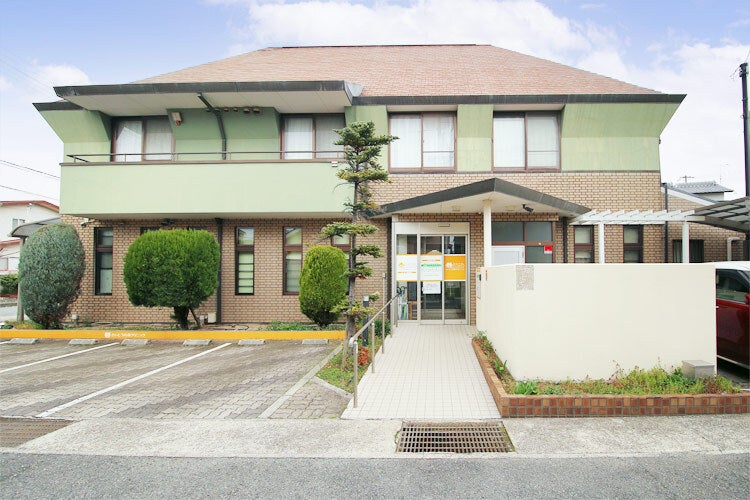
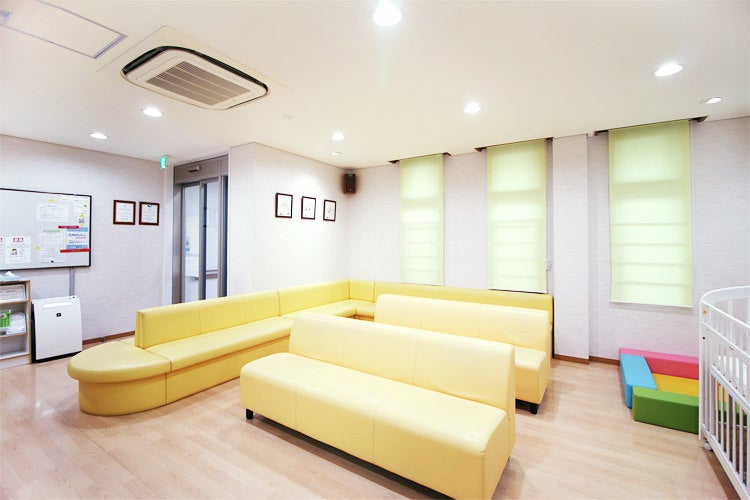
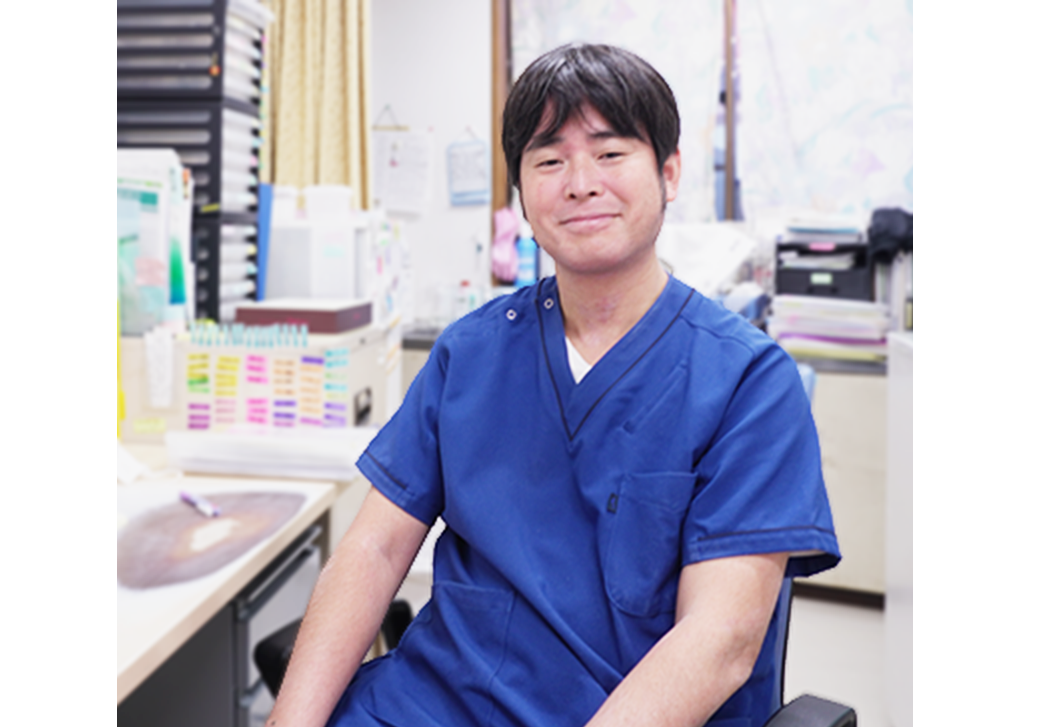
【Saito Internal Medicine Clinic】 specializes in liver disease, providing not only standard treatments but also liver regenerative medicine using stem cells. Our goal is to support patients and improve conditions such as hepatitis and liver cirrhosis.
【Saito Internal Medicine Clinic】 is located in Nishi-ku, Kobe City, and was established in April 2016. Our clinic provides a wide range of internal medicine services, with a particular focus on liver diseases such as hepatitis and liver cirrhosis. As specialists in hepatology, we are committed to providing personalized and thorough care for each patient.
In addition to diagnosing the causes of hepatitis, improving liver function, and preventing the progression of cirrhosis, we offer liver regenerative medicine using stem cells for conditions that are difficult to treat with standard therapies. We prioritize clear explanations to ensure patients and their families feel informed and reassured about their treatment.
As a trusted community healthcare provider, we remain dedicated to supporting a wide range of health concerns and serving as a reliable "local doctor" for the residents of our region.
- Location
- 〒651-2412
1-15-3 Ryugaoka, Nishi-ku, Kobe City Hyogo
- Specialty
- Hepatology Specialist
Liver Regenerative Medicine Using Stem Cells
- Facility details
- 【Location】
〒651-2412 Hyogo Prefecture, Kobe City, Nishi-ku, Ryugaoka 1-15-3
【Available Diagnostic & Treatment Equipment】
Urinalysis, Blood Biochemistry Testing, Transcutaneous Arterial Oxygen Saturation Testing, Vision & Hearing Tests, Blood Pressure Measurement, Upper Gastrointestinal Endoscopy, Ultrasound Examination, X-ray Radiography, Electrocardiogram (ECG), Holter ECG, X-ray Bone Density Measurement
【Facility Equipment】
Ultra-low Temperature Freezer, Ozone Air Purifier
【Other Information】
All regenerative medicine treatments are handled by a hepatology specialist.
Parking for 18 vehicles available.
Available Programs
-
Liver Dysfunction Treatment Using Autologous Adipose-Derived Stem Cells【Saito Internal Medicine Clinic】
Adipose-derived mesenchymal stem cells (MSCs) are isolated and cultured from the patient's own adipose tissue. The cultured stem cells are administered via intravenous infusion to improve liver function.
Adipose-derived mesenchymal stem cells (MSCs) are isolated and cultured from the patient’s own adipose tissue. The cultured stem cells are then administered via intravenous infusion to promote liver function improvement. Features This therapy minimizes the risk of immune rejection by utilizing the patient’s own adipose tissue-derived MSCs. As a form of regenerative medicine, it facilitates the repair and regeneration of damaged hepatocytes using stem cells. Since the treatment is administered through intravenous infusion, it is a minimally invasive procedure with relatively low physical burden on the patient. Procedure & Duration Fat Tissue Collection: Performed under local anesthesia, the procedure takes approximately 30 minutes and can be completed in a single day. Stem Cell Isolation & Culturing: The process of isolating and culturing stem cells from the collected fat tissue requires approximately 4 to 8 weeks. Intravenous Administration: The infusion process takes approximately 1 to 2 hours and is conducted on an outpatient basis, eliminating the need for hospitalization. Clinical Results The application of adipose-derived MSC therapy has been extensively studied both domestically and internationally, with numerous reports supporting its safety and efficacy. This therapy has been particularly beneficial for patients with liver dysfunction, including those who have not responded adequately to standard treatments. Expected Benefits Improvement in liver function markers, including ALT, AST, γ-GTP, and albumin (Alb) levels. Reduction of symptoms such as fatigue and nausea, leading to an enhanced quality of life (QOL) for patients. Considerations Individual response to treatment may vary, and the total culture period and number of infusions are determined by the physician. Regular follow-up assessments are required after treatment to monitor progress and ensure long-term safety.
View Details